

Souvenirs from Adelaide: food, wine, opal, art and local design
What to take home from Adelaide and South Australia: local food and wine, opal and how to tell solid stones from doublets and triplets, Aboriginal art bought ethically, local craft and design, and the quarantine rules for produce.
6 min read
In this article
The best souvenirs from Adelaide are the ones that taste, sparkle or tell a story of the place: a bottle from a cellar door you visited, a bag of local treats, a piece of opal from the outback, an artwork bought directly from an artist’s community, or something made in a studio a few streets from your hotel.
A few of these come with rules. You must be 18 to buy alcohol, opal ranges from solid gems to thin slices glued onto backing, Aboriginal art should be bought in a way that pays the artist fairly, and fresh food may not be allowed across state or national borders. This guide covers what to look for and what to check before you pack.
The short version
- Food: local sweets, preserves and pantry goods travel well; fresh produce often does not.
- Wine: South Australia crushes about half of Australia’s winegrapes; you must be 18 or over to buy alcohol.
- Opal: Australia produces about 95 per cent of the world’s precious opal, and South Australia’s fields are among the most important. Ask whether a stone is solid, a doublet or a triplet.
- Aboriginal art: buy from Indigenous Art Code signatories and ask how the artist is paid.
- Local design: look for craft and design studios and galleries, such as JamFactory.
- Quarantine: check the rules before carrying fruit, vegetables, plants or animal products interstate or overseas.
Local food
South Australia has a strong food identity, from treats locals grew up with to produce from the regions. Our guide to iconic South Australian foods explains the classics.
For one-stop shopping, the Adelaide Central Market has traded since 1869 and today has more than 70 traders under one roof. Shelf-stable, sealed products are the easiest to carry home; ask the stallholder how well something travels. Our farmers markets guide lists more places to buy direct from growers.
Wine
Wine is South Australia’s signature souvenir. In Wine Australia’s 2026 vintage report, the state crushed about 658,000 tonnes of grapes, roughly half of the national total and more than any other state. The famous regions are within a day trip of the city; see our guides to the Barossa, McLaren Vale and Clare Valley.
The legal age to buy alcohol in South Australia is 18, so carry photo ID at cellar doors and bottle shops. If you are flying, check your airline’s baggage rules and airport security limits on liquids before you buy a case, and ask the cellar door whether it can ship to your home address instead.
Opal
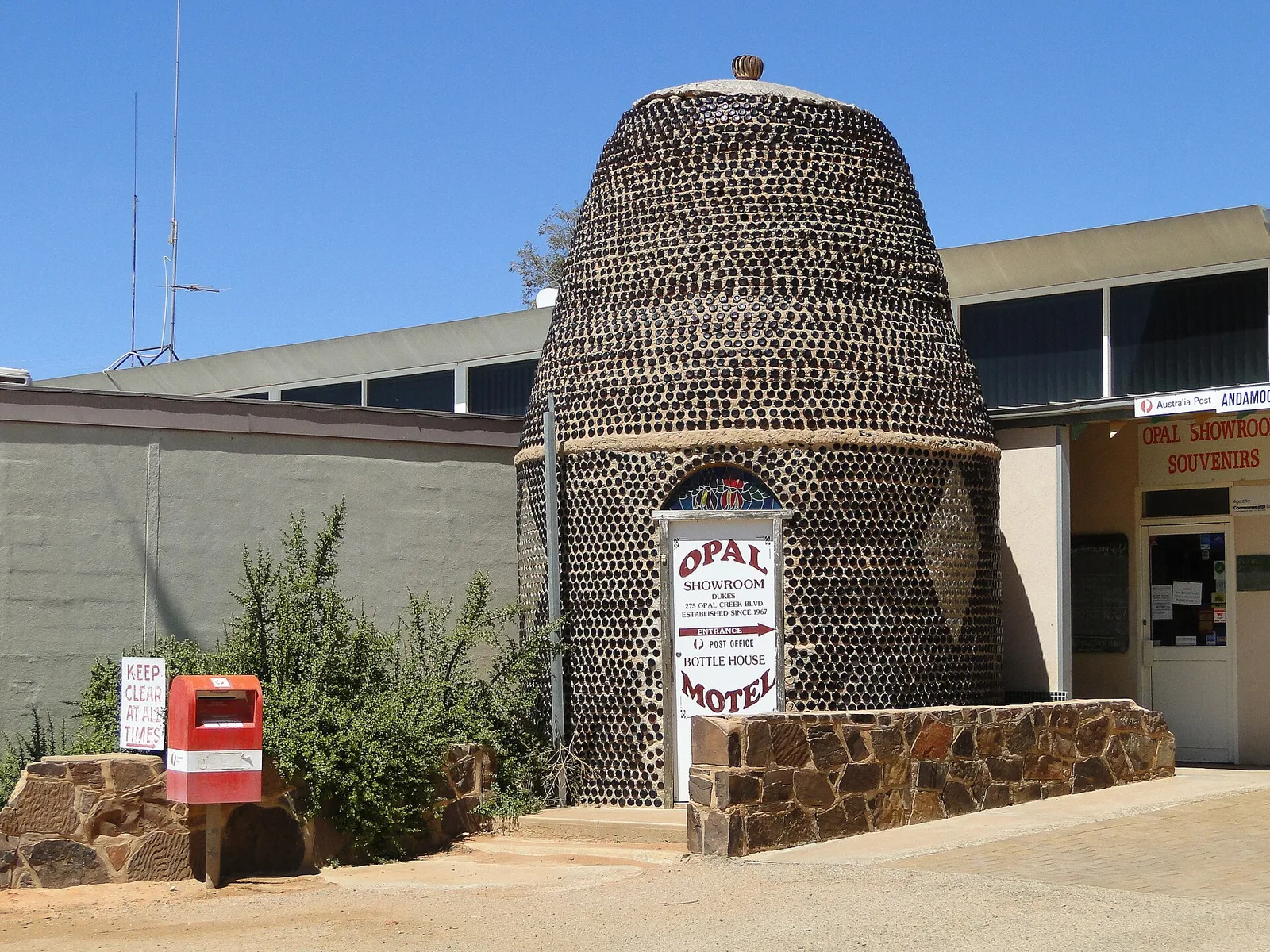
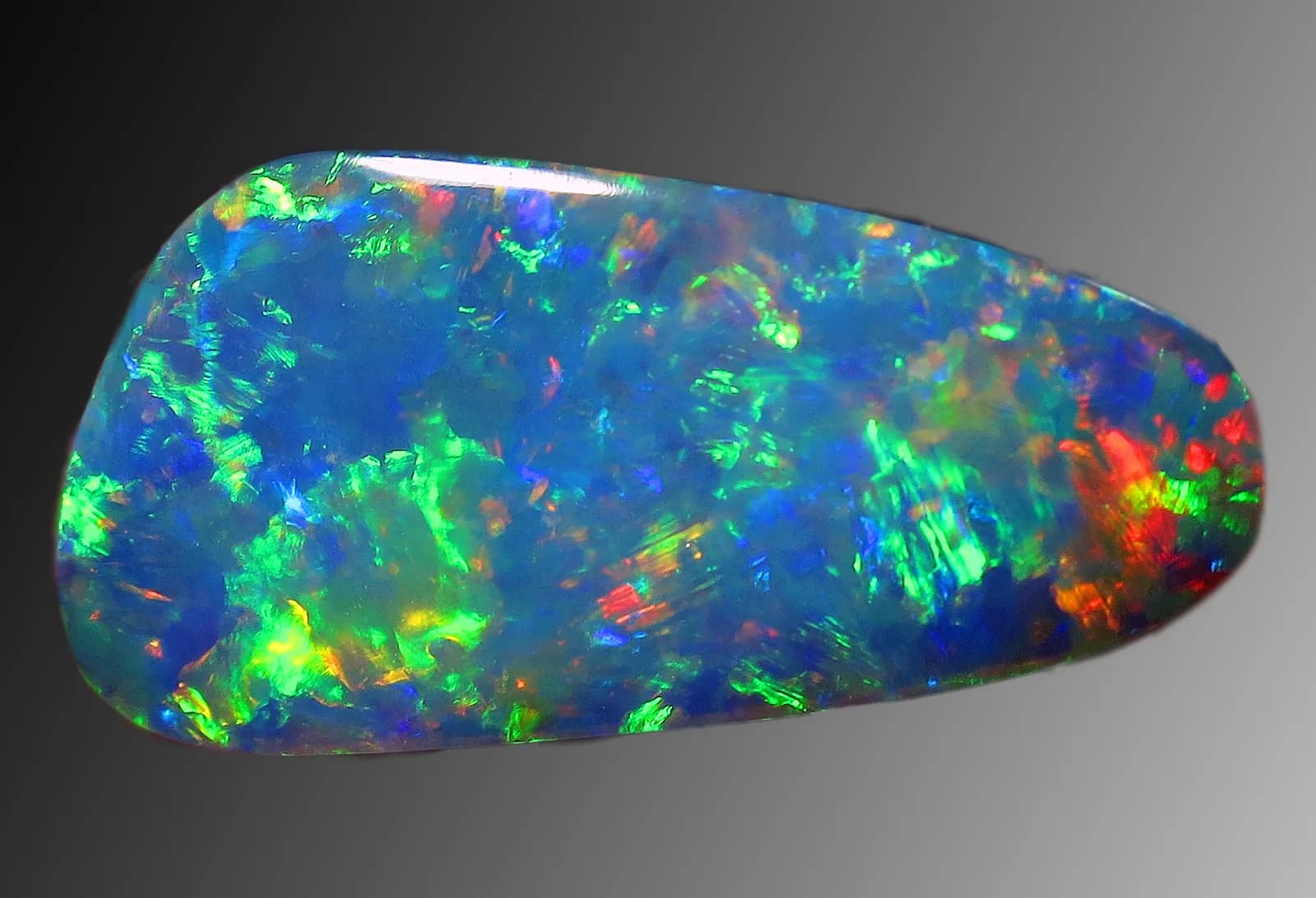
Opal is Australia’s national gemstone, and according to Geoscience Australia the country produces about 95 per cent of the world’s precious opal. South Australia is at the heart of that story. In 1915, while a group was prospecting for gold, a 14-year-old boy found opal near the edge of the Great Victoria Desert, sparking the rush that created Coober Pedy. Today Coober Pedy is the main producer of white opal, and together with Lightning Ridge in New South Wales produces the bulk of the world’s opal. Andamooka and Mintabie are South Australia’s other opal centres, and Andamooka is known for its matrix opal.
Know what you are buying. Geoscience Australia describes three main kinds:
- Solid opal is cut from a single piece of opal and is the most valuable; good stones are sold by carat weight.
- Doublets are a thin slice of precious opal glued to a dark backing, then shaped and polished.
- Triplets are an even thinner slice of opal sandwiched between a dark backing and a clear domed top of glass or quartz, all glued together. They are the cheapest and the kind most often seen in souvenir and airport jewellery.
None of these is a bad buy, but price should match the type. Ask the seller to state in writing whether a stone is solid, a doublet or a triplet, and where it was mined. For a look at spectacular specimens before you shop, visit the South Australian Museum.
Aboriginal art, bought ethically
Buying Aboriginal and Torres Strait Islander art can support artists and their communities, but only if the money reaches them fairly. The Indigenous Art Code, an industry code of conduct, suggests that buyers:
- Buy from Code signatories, galleries and dealers who have signed the Indigenous Art Code and commit to its ethical standards. The Code publishes a searchable list.
- Ask questions: who is the artist, where are they from, how are they paid, and how did the work come to be for sale? For prints, homewares and other reproductions, ask how royalties or licence fees reach the artist.
- Check the paperwork: higher-priced original works should come with a certificate of authenticity naming the artist.
Ethical sellers are usually happy to answer. Be wary of cheap “Aboriginal-style” goods with no named artist.
In Adelaide, Tandanya, founded in 1989 on Grenfell Street as Australia’s first national Aboriginal cultural institute, is preparing to relaunch in 2027; check its website for news. Our guide to Kaurna culture in Adelaide suggests places to learn more, and the Art Gallery of South Australia displays Aboriginal art in its collection.
Local craft and design
For something made here, look to local studios and design shops. JamFactory, a not-for-profit supported by the South Australian Government, has championed craft and design for more than 50 years. Its West End home has studios in ceramics, glass, furniture, and jewellery and metal, with galleries and a shop selling contemporary Australian work, and it has a second site at Seppeltsfield in the Barossa. Beyond JamFactory, browse our art galleries and the city’s laneways and suburban main streets for independent designers and makers.
Taking produce interstate or overseas
Each Australian state and territory has biosecurity laws restricting what travellers can carry across borders, including fruit, vegetables, plants and plant products, animal products and soil. Travellers can be fined on the spot. Flying makes it easy to forget you have crossed a border, and a missing quarantine bin at the airport does not mean an item is allowed. Before you pack fresh produce, nuts, honey or cut flowers, check the rules for your destination on the Australian Interstate Quarantine website.
Going overseas, the rules of the country you are flying to apply. Many countries restrict food, plant and animal products, so check its official customs and biosecurity guidance, declare anything you are unsure about, and keep wine, olive oil and sweets sealed in their original packaging.
Getting there
The Adelaide Central Market sits between Gouger and Grote streets in the city centre. JamFactory is in the West End and Tandanya is on Grenfell Street, all within the city centre; see our guide to getting around Adelaide. The wine regions need a car, a tour or a designated driver.
Before you go
- Bring ID if you plan to buy wine.
- Get opal and art details in writing: type of stone, origin, artist and certificate.
- Check quarantine rules before packing fresh food.
- Check opening hours for markets, cellar doors and galleries before you set out.
For more ideas, see our op shopping guide, what Adelaide is famous for, and our directory of attractions and tours and experiences.
Frequently asked questions
What is a good souvenir from Adelaide?
Popular choices include South Australian wine, local sweets and pantry goods, opal from the state’s outback fields, ethically sourced Aboriginal art and pieces by local craft and design studios.
How old do you have to be to buy wine in South Australia?
You must be 18 or over to buy alcohol in South Australia, so carry photo ID at cellar doors and bottle shops.
What is the difference between a solid opal, a doublet and a triplet?
A solid opal is cut from a single piece of opal. A doublet is a thin slice of opal glued to a dark backing, and a triplet is a thinner slice sandwiched between a backing and a clear top. Solid opals are the most valuable and triplets the cheapest.
How do I buy Aboriginal art ethically?
The Indigenous Art Code recommends buying from its signatories, asking who the artist is and how they are paid, and checking that original works come with a certificate of authenticity.
Can I take fruit from South Australia to another state?
Often not. Each state and territory restricts fruit, vegetables, plants and animal products to keep pests out, and on-the-spot fines apply. Check the Australian Interstate Quarantine website before you travel.
Your next customer could start right here.
Introduce your business to people discovering Adelaide: locals, visitors and the businesses that serve them.
Explore placements and request a private quote
Sources
Where the facts come from
The 7 references this article was checked against.
- Opal (opens in a new tab)
Geoscience Australia · ga.gov.au
Australia’s share of world precious opal, national gemstone, Coober Pedy discovery and production, Andamooka and Mintabie, solid opal, doublets and triplets.
- Advice for purchasing art ethically (opens in a new tab)
Indigenous Art Code · indigenousartcode.org
Buying from signatories, questions to ask, royalties on reproductions, certificates of authenticity.
- National Vintage Report 2026 (opens in a new tab)
Wine Australia · wineaustralia.com
South Australia’s crush compared with the national total.
- Interstate quarantine: travellers (opens in a new tab)
Australian Interstate Quarantine · interstatequarantine.org.au
State biosecurity restrictions, on-the-spot fines and air travel advice.
- About JamFactory (opens in a new tab)
JamFactory · jamfactory.com.au
Not-for-profit craft and design organisation, studios, shops and Seppeltsfield site.
- About Tandanya (opens in a new tab)
Tandanya National Aboriginal Cultural Institute · tandanya.com.au
Founded 1989, Grenfell Street building, relaunch planned for 2027.
- Alcohol laws of Australia (opens in a new tab)
Wikipedia · en.wikipedia.org
Legal purchase age of 18 in South Australia.
Comments
No comments yet. Be the first to join the conversation.
Leave a comment
Every comment is read by a moderator before it appears. Your email address is never published; it is used only to contact you about this comment.
More from Adelaide Sphere
Local guideCity guides
Accessible Adelaide: transport, beaches, Changing Places and attractions
Practical information for visitors with disability and the people travelling with them: accessible trams, trains and buses, the Companion Card, Changing Places toilets, beach mats and beach wheelchairs, and accessible attractions.
By Adelaide Sphere
Local guideCity guides
Prospect Adelaide guide: Prospect Road, the Village Heart, parks and neighbours
A local’s guide to Prospect, just north of North Adelaide: the cafés and restaurants of Prospect Road and its Village Heart, Payinthi, St Helens Park and Prospect Estate, Nailsworth and Broadview next door, a little history, and how to get there.
By Adelaide Sphere
Local guideCity guides
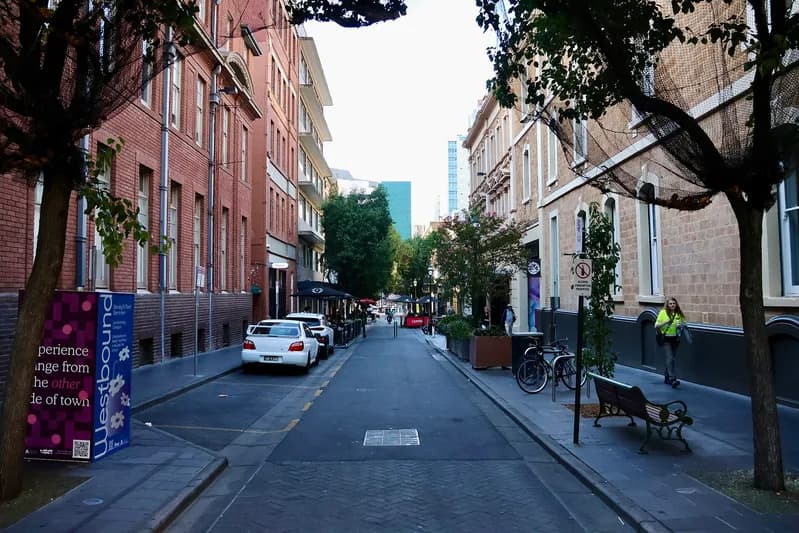
Adelaide’s laneways: small bars, street art and hidden streets in the city
A guide to the laneways of Adelaide’s city centre: Peel and Leigh Streets in the West End, Gilbert Place, Ebenezer Place and Vardon Avenue in the East End, the small bars that changed them, and the murals and music laneways to look for.
By Adelaide Sphere