

Cellar door etiquette: how to visit a South Australian winery
First time at a cellar door? What to expect from bookings and tasting fees, why spitting is perfectly normal, the rules on children and drink driving, dogs, and how to buy without feeling pressured.
6 min read

In this article
A cellar door is a winery’s tasting room: the place where you try the wines, usually with the person who helped make or sell them, and buy a bottle or two if you like what you taste. South Australia has a great many, from grand old estates to tin sheds at the end of a dirt road, and visiting is one of the most relaxed ways to spend a day out of Adelaide.
There are no secret rules, but a little know-how makes the visit easier for you and for the people pouring. This guide covers bookings, tasting fees, how a tasting works, spitting, staying safe on the road, children, dogs and buying.
The short version
- Book ahead where you can, especially on weekends and for groups. Some cellar doors open by appointment only.
- Expect a tasting fee at many cellar doors; some take it off the price if you buy.
- Spitting is normal. Spittoons are there to be used, and nobody minds.
- Drive at 0.05 or under, or zero if you are on your L or P plates. Better still, have a driver who doesn’t drink, or take a tour.
- Children are welcome at many venues but cannot be served or drink alcohol. Ask about dogs before you bring one.
Bookings
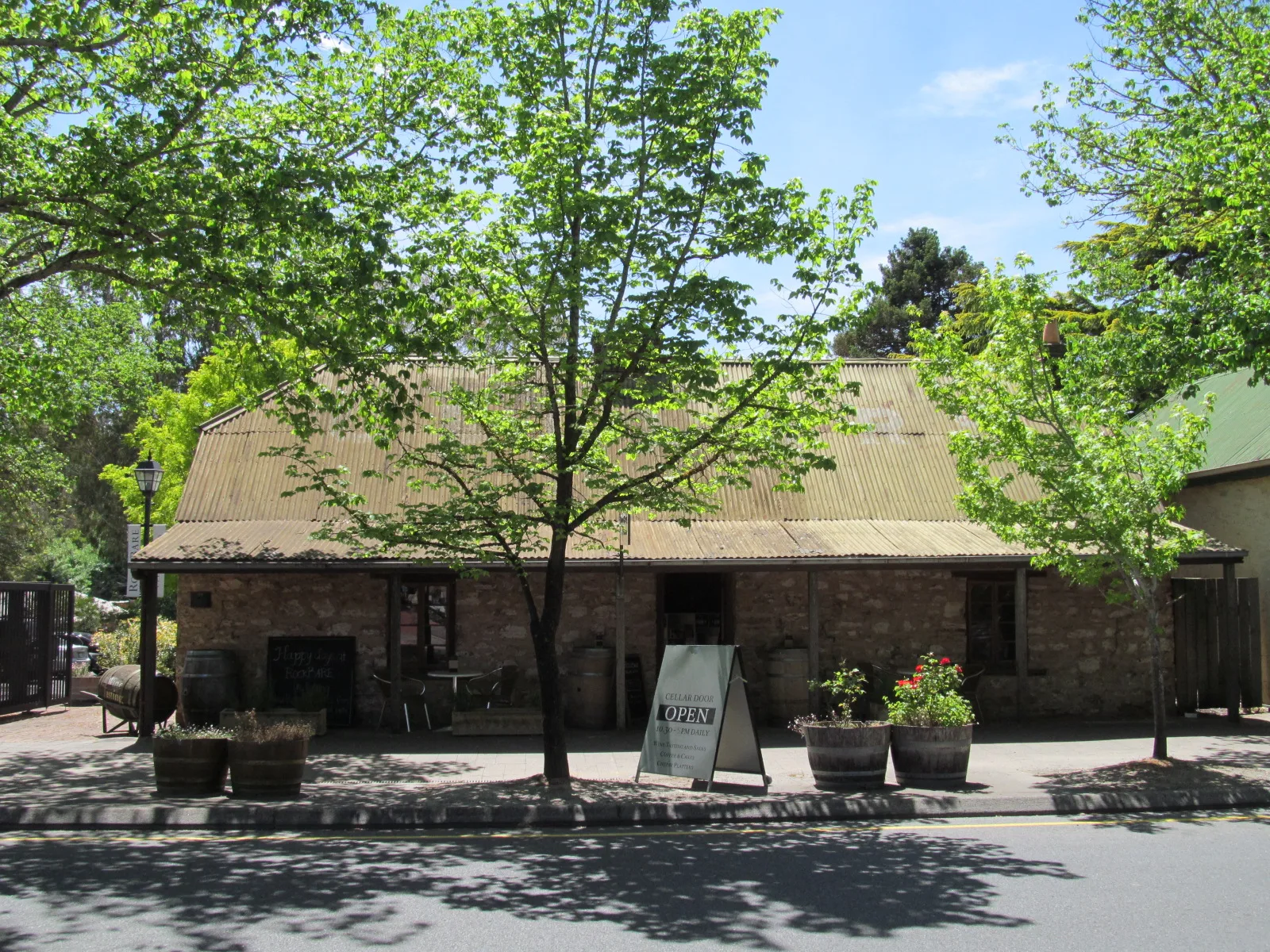
Cellar doors range from walk-in tasting bars to small rooms that only open by appointment. The regional cellar door guides show both: some list set days and hours, some say bookings are recommended, and some say to call ahead. Smaller venues often limit group sizes, and some do not accept buses or minibuses at all.
If there are more than a few of you, or you are visiting on a weekend or public holiday, book. Turn up on time, let them know if you are running late, and cancel if your plans change. Allowing about an hour per stop is a sensible pace.
Tasting fees
Many cellar doors charge for a tasting, particularly for a seated or guided tasting or a flight of premium wines. Some will put the fee towards a purchase or a wine club membership. The fee pays for the wine, the glassware and the host’s time; check the venue’s website so it isn’t a surprise. We don’t list amounts because they vary and change.
How a tasting works
You’ll usually be poured a small amount of each wine in turn, often whites before reds and finishing with sweeter or fortified styles. Staff will tell you about each one. Ask questions: what the grape is, where it was grown, what to eat with it. Hosts generally enjoy talking about their wines, and there are no silly questions.
A few courtesies help:
- Skip strong perfume or aftershave. Smell is half of tasting, for you and the people next to you.
- Pace yourself. You don’t have to taste everything on the list. If you only drink red, say so.
- Don’t ask for refills of the same wine unless you are deciding whether to buy it.
- Don’t bring your own drinks into a cellar door.
Spitting is normal
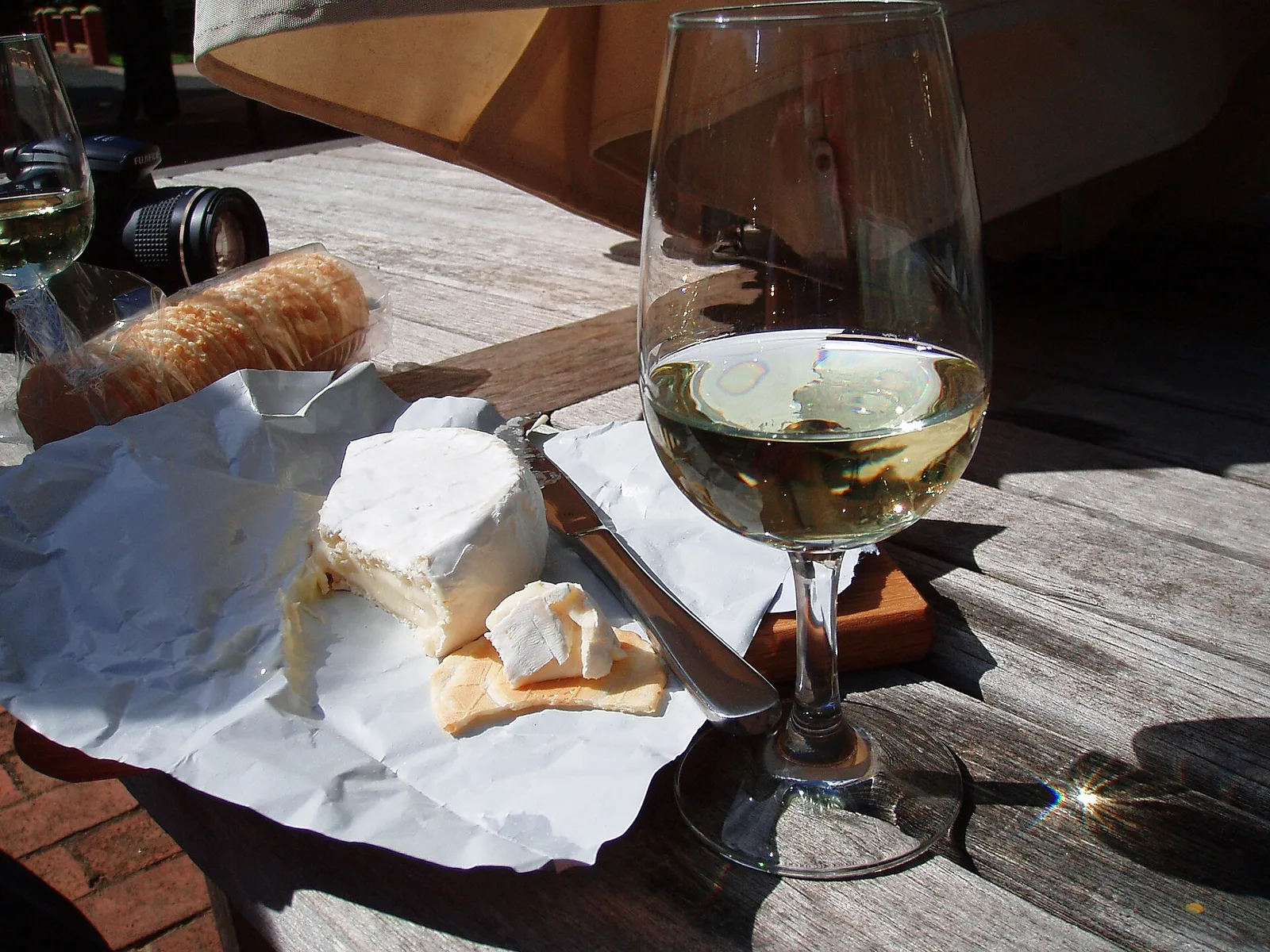
Every cellar door expects some visitors to spit, and many put out water and a spittoon or dump bucket without being asked. It is how winemakers and judges taste dozens of wines in a day. Take a sip, roll it round your mouth, notice the flavours and spit it out neatly. You can also tip out the rest of a pour you don’t want to finish. Nobody will be offended.
If you are the driver, the safest choice is not to taste at all.
Driving and the designated driver
South Australia’s drink-driving limits are strict:
- Full licence holders must not drive with a blood alcohol concentration of 0.05 or more.
- Learner, provisional and probationary drivers must have a zero blood alcohol concentration: no alcohol at all.
- Zero also applies to drivers of buses, taxis and heavy vehicles.
Penalties include fines, licence disqualification, demerit points and, in serious cases, prison. The simplest plan is a designated driver who drinks nothing: make it worth their while with a good lunch and a bottle to take home for later. Otherwise, take a hosted tour, stay the night, or visit regions you can walk or cycle around. Our guide to driving in South Australia covers the road rules.
Staff who serve alcohol in South Australian licensed venues must complete responsible service of alcohol training. Be patient if they slow down or stop your pours; they are doing their job.
Children
Families are welcome at many cellar doors, especially those with a restaurant, lawns or a play area. The law is clear on alcohol, though: it is illegal to sell or supply alcohol to a minor, or for a minor to buy or drink alcohol in a licensed venue, so children can’t be offered a taste. Some licences also restrict when minors may be on the premises, so call ahead if you are unsure. Keep children close around barrels, machinery and vineyard roads.
Dogs
Dog policies vary from door to door. Some cellar doors welcome dogs on a deck or lawn, some regions even run dog-friendly wine events, and others don’t allow them at all. Check before you go, keep your dog on a lead, and never leave one in a parked car in summer. Our guide to Adelaide with a dog has more.
Buying wine
There is no obligation to buy, and good cellar door staff won’t pressure you. That said, small producers rely on cellar door sales, and some wines are only sold on site. If you enjoyed the tasting, a bottle is a nice way to say thanks.
- Ask about delivery. Many wineries will ship to your home, which is easier than carrying a case around all day.
- Wine clubs offer regular deliveries and members’ events; read the terms before you sign up.
- Keep it cool. In summer a closed car heats up fast, and heat can spoil wine. Take bottles inside with you at lunch, or pack an insulated bag.
Getting there
Adelaide is surrounded by wine country. McLaren Vale, the Adelaide Hills and the Barossa make easy day trips, and the Clare Valley is about two hours north. Our guide to South Australia’s wine regions explains the map, and the day trip guides for the Barossa, McLaren Vale and the Clare Valley cover getting there. Hosted tours are listed under tours and experiences.
Before you go
- Check opening days and whether bookings are needed; hours change seasonally.
- Eat a proper breakfast and plan lunch, and drink water between tastings.
- Bring a hat, sunscreen and water in summer; see our heatwave safety guide on very hot days.
- Agree on the driver before the first pour.
Planning a whole day? Pair a tasting with our Hahndorf day trip, find somewhere to stay among our bed and breakfasts, or see Adelaide’s farmers markets for picnic supplies.
Frequently asked questions
Do I need to book a cellar door tasting?
Not always, but it is wise on weekends, public holidays and for groups. Some cellar doors open by appointment only and some limit group sizes, so check the venue’s website first.
Do cellar doors charge for tastings?
Many do, especially for seated or premium tastings. Some put the fee towards a purchase or a wine club membership. Amounts vary, so check with the venue.
Is it rude to spit at a cellar door?
No. Spitting is normal and expected, and many cellar doors put out water and a spittoon. It is how professionals taste many wines in a day.
What is the drink-driving limit in South Australia?
Full licence holders must not drive with a blood alcohol concentration of 0.05 or more. Learner, provisional and probationary drivers, and drivers of buses, taxis and heavy vehicles, must have none at all.
Can I take children to a cellar door?
Many cellar doors welcome families, but it is illegal to sell or supply alcohol to a minor or for a minor to drink in a licensed venue. Some licences restrict minors at certain times, so call ahead if unsure.
Your next customer could start right here.
Introduce your business to people discovering Adelaide: locals, visitors and the businesses that serve them.
Explore placements and request a private quote
Sources
Where the facts come from
The 6 references this article was checked against.
- Alcohol, drugs, medicines and driving (opens in a new tab)
Government of South Australia (My Licence) · mylicence.sa.gov.au
0.05 limit for full licence holders, zero for novice and commercial drivers, penalties.
- Minors in licensed venues (opens in a new tab)
Government of South Australia · sa.gov.au
Supply to minors, minors drinking, and licence conditions on minors.
- Key responsibilities of liquor licensees (opens in a new tab)
Government of South Australia · sa.gov.au
Responsible service of alcohol training for staff who serve liquor.
- Cellar door guide (opens in a new tab)
Adelaide Hills Wine Region · adelaidehillswine.com.au
Opening days, bookings recommended, by-appointment venues, dog-friendly decks, wines sold only on site.
- Reserve cellar door tasting (listing) (opens in a new tab)
South Australian Tourism Commission · southaustralia.com
Example of bookings, group limits, no buses, a redeemable tasting fee, water and spittoons.
- Coonawarra wine region (opens in a new tab)
Coonawarra Vignerons · coonawarra.org
Dog-friendly wine walk event.
Comments
No comments yet. Be the first to join the conversation.
Leave a comment
Every comment is read by a moderator before it appears. Your email address is never published; it is used only to contact you about this comment.
More from Adelaide Sphere

Local guideFood and drink
Rooftop bars in Adelaide: city terraces and a seaside balcony
Ten places to drink above the street in Adelaide, from North Terrace and King William Street to the West End and Glenelg, with what each one is like, when to book, what to wear, what happens when the weather turns, and how to get home.
By Adelaide Sphere

Local guideFood and drink
Adelaide’s Chinatown and Gouger Street: a guide to the city’s eating precinct
How to explore Adelaide’s Chinatown on Moonta Street, its gateways and guardian lions, the restaurants of Gouger Street, Lunar New Year celebrations and the Central Market next door.
By Adelaide Sphere

Local guideFood and drink
Breweries in Adelaide: taprooms, Coopers tours and Hills and Vale day trips
A guide to breweries in and around Adelaide: taprooms in the city, Stepney, Bowden and Port Adelaide, tours and tastings at Coopers in Regency Park, and brewery stops in the Adelaide Hills and McLaren Vale, with notes on food, children, dogs and getting home safely.
By Adelaide Sphere