

Community gardens in Adelaide: how they work and how to join one
How Adelaide’s community gardens work, from shared beds and rented plots to verge gardens and community orchards, how to find and join one near you, and what councils such as Adelaide, Burnside and Unley offer.
6 min read

In this article
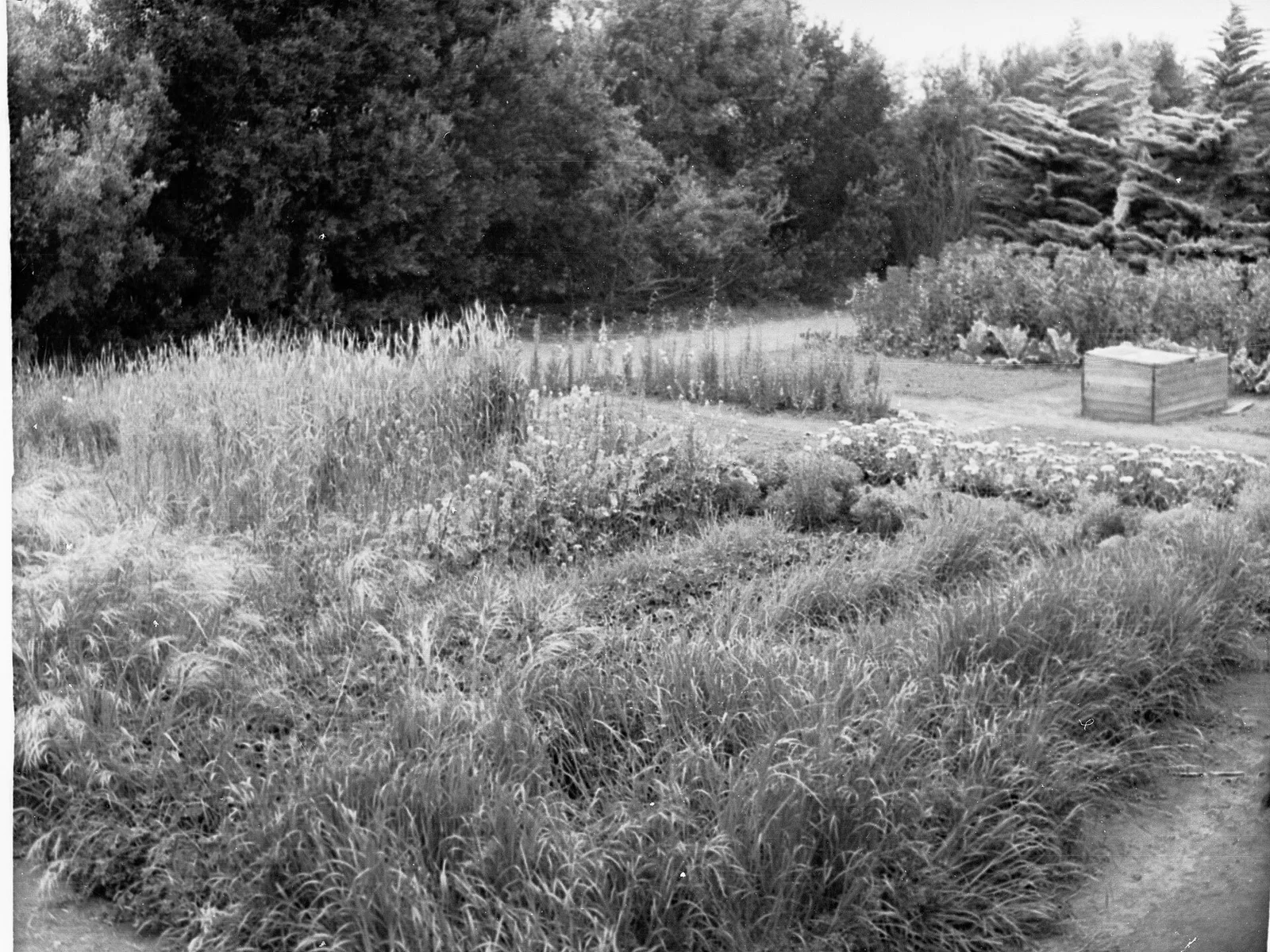
A community garden is a patch of shared land where neighbours grow food together. Some are a set of rented plots behind a fence, some are open beds anyone can weed and pick from, and some are rows of fruit trees in a park. Around Adelaide they sit on council reserves, church land, school grounds and the edge of the Park Lands.
They are also one of the easiest ways to meet people when you are new to a suburb. You learn what grows in a hot, dry summer, swap seedlings and surplus zucchini, and share the work at a weekend working bee. This guide explains how the gardens work, how to find and join one, and what Adelaide’s councils offer.
The short version
- Kinds of garden: rented individual plots, shared communal beds, open-access gardens, verge gardens and community orchards.
- Who runs them: usually a volunteer group or incorporated association, often on council land with council support.
- How to join: contact the garden’s coordinator or secretary; many ask for a membership, and popular gardens have waiting lists.
- Where to look: your council’s website and the national directory run by Community Gardens Australia.
- Starting one: councils such as Burnside publish guidelines; expect planning, consultation and approval first.
How community gardens work
Most gardens run on one of a few models, and many mix them.
- Individual plots. Members rent a bed and grow what they like in it. Plots are popular, so waiting lists are common.
- Communal beds. Members garden together and share the harvest. You do not get a bed of your own, but you do not need to tend one every day either.
- Open-access gardens. Anyone can drop in, help and take a little produce. Etiquette matters: take a fair share and leave plenty for the people who do most of the work.
- Verge gardens and orchards. Beds on council land beside a footpath, or fruit and nut trees planted in a park for anyone to pick.
The group that runs a garden usually sets regular gardening times and working bees, decides how plots are shared, and may charge a membership or plot fee. Ask about these before you sign up.
Finding a garden near you
Start with your council. Many list the community gardens on their land, with contact details for each group, and the council’s open space or community team can tell you whether a new one is planned.
The other place to look is Community Gardens Australia, a registered charity founded in 1996 that acts as the national peak body for community gardening. Its online map lists more than 800 gardens and community education centres across the country, searchable by suburb or postcode. It is not a complete list, because gardens add themselves, so check your council as well.
Council-supported gardens: some examples
These are gardens that councils list on their own websites. Gardening days, membership rules and contacts change, so check each council’s page for the current details.
City of Adelaide
The City of Adelaide lists several gardening groups across the city and North Adelaide:
- Walyu Yarta Community Garden grows vegetables, herbs and flowers behind the rose gardens at Veale Gardens on South Terrace, and has been going for more than ten years. Tools and know-how are shared, members garden on set weekday mornings, and there are Sunday working bees for people who work during the week. Membership is required.
- Park Terrace Community Garden is in the northern Park Lands (Park 27B), opposite North Adelaide station. Membership is required.
- North Adelaide Community Centre and Library has a garden group you can join without a membership, to help maintain the garden, plant seeds or simply potter.
- Secateurs Community Garden Group meets in the city; membership is required.
The council also supports a verge garden in Whitmore Square, on the square’s north-western edge. Locals plant and maintain it, the ground beds are watered with reclaimed water, and raised wicking beds hold water in a reservoir under the soil. Passers-by are welcome to pick small amounts of herbs and vegetables, wash them before eating, and help by pulling a weed or picking up litter. City residents can also apply to plant the nature strip in front of their own home.
City of Burnside
Burnside encourages community gardening and lists three gardens on council or community land: Chapel Street Community Garden in Magill, set up in 2012 with the support of the council and the Morialta Uniting Church; Conyngham Street Community Garden in Glenside, an open-access garden the council established in 2022; and the Pirkurna Wirra / Peter Bennett Organic Community Garden in Linden Park, opposite Tregenza Oval, which focuses on organic growing.
City of Unley
Unley leases land at Fern Avenue, Fullarton, to a community group that grows fruit and vegetables and runs organic gardening courses. Residents can apply for a plot, but they are popular and there is a waiting list. The Goody Patch in Goodwood is shared by neighbours and students and teachers from Goodwood Primary School, with monthly working bees open to everyone.
Unley also has six community orchards in its parks and playgrounds, in Fullarton, Parkside, Unley, Millswood, Black Forest and Goodwood. The largest, at Morrie Harrell Playground in Unley, was planted with 71 fruit and nut trees in 2012. The fruit is for everyone, so take only your share.
How to join
- Find a garden through your council or the Community Gardens Australia map.
- Visit first. Most gardens have regular gardening times or open days; turn up, meet the members and see how it runs.
- Ask the practical questions: is there a plot free or a waiting list, what does membership cost, which days do people garden, and what are you expected to contribute?
- Sign up and show up. A garden runs on the people who come to working bees, water in a heatwave and share what they know.
If you cannot commit to a plot, join a communal or open-access garden, or volunteer at a working bee to start.
Starting a new garden
If there is nothing near you, you can start one, but it is a real project. Burnside’s advice is that successful gardens are usually started by a committed group of residents and volunteers, often backed by a community organisation or local business, and that planning, design, consultation, approval and building all come before the first seedling. Talk to your council early, as gardens on council land need its approval. Community Gardens Australia also shares resources on setting up and running a garden.
Getting there
Community gardens are made for locals, so the best one is usually the one you can walk or cycle to on a gardening morning. In the city, Walyu Yarta is on South Terrace, and Park Terrace Community Garden is opposite North Adelaide railway station. For the suburban gardens, plan a bus or train trip with our guide to getting around Adelaide.
Before you go
- Check the council page or the garden’s own contact for current gardening days; they change with the seasons.
- Bring a hat, gloves and water. Summer working bees can be hot; our heatwave safety guide has tips.
- Respect open gardens and orchards: pick a little, leave plenty, and wash produce before eating.
- Ask before planting anything in a shared bed.
For more on settling in, read our moving to Adelaide guide and renting guide. To buy seedlings and produce, try our farmers markets guide or browse fresh food and grocery listings. For green space nearby, see our Adelaide Park Lands guide, or explore Goodwood and Burnside in our directory.
Frequently asked questions
How do I join a community garden in Adelaide?
Find a garden through your council’s website or the Community Gardens Australia directory, visit during a gardening day, then contact the coordinator or secretary about membership, plots and waiting lists.
Do community gardens in Adelaide cost money?
Some gardens ask for a membership or plot fee, while open-access gardens and council orchards are free to visit. Ask the garden directly, as arrangements vary.
Is there a community garden in the Adelaide city centre?
Yes. The City of Adelaide lists several, including the Walyu Yarta Community Garden behind the rose gardens at Veale Gardens and a verge garden in Whitmore Square.
Can I pick fruit from Unley’s community orchards?
Yes. The City of Unley’s six community orchards are for everyone, but the council asks people to respect the trees and take only a fair share.
Can I start my own community garden?
Yes, but it takes planning, community consultation and council approval before planting starts. Talk to your council first; some, such as Burnside, publish guidelines for gardens on council land.
Your next customer could start right here.
Introduce your business to people discovering Adelaide: locals, visitors and the businesses that serve them.
Explore placements and request a private quote
Sources
Where the facts come from
The 4 references this article was checked against.
- Gardens: nature strips and community gardens (opens in a new tab)
City of Adelaide · cityofadelaide.com.au
Walyu Yarta, Park Terrace, North Adelaide and Secateurs garden groups, Whitmore Square verge garden and nature strip applications.
- Community Gardens (opens in a new tab)
City of Burnside · burnside.sa.gov.au
What a community garden is, how they are started, and the Chapel Street, Conyngham Street and Laurel Avenue gardens.
- Community gardens (opens in a new tab)
City of Unley · unley.sa.gov.au
Fern Avenue and Goody Patch gardens, waiting list and the six community orchards.
- About Community Gardens Australia (opens in a new tab)
Community Gardens Australia · communitygarden.org.au
National peak body since 1996, registered charity, directory of more than 800 gardens.
Comments
No comments yet. Be the first to join the conversation.
Leave a comment
Every comment is read by a moderator before it appears. Your email address is never published; it is used only to contact you about this comment.
More from Adelaide Sphere
Local guideLiving in Adelaide
Finding part-time work in Adelaide: rights, visas, super and where to look
Looking for a part-time or casual job in Adelaide? What the Fair Work Ombudsman says about your rights and minimum pay, student visa work conditions, your TFN and super, where to search, and how to avoid job scams and underpayment.
By Adelaide Sphere

Local guideLiving in Adelaide
Getting a tax file number (TFN) in Adelaide: a newcomer’s guide
What a tax file number is and how to apply for one: online for visa holders with work rights, or in person in Adelaide through Australia Post or Services Australia. Plus who should see your TFN and how to spot ATO scams.
By Adelaide Sphere

Local guideLiving in Adelaide
Heatwave safety in Adelaide: warnings, cool places and looking after others
How to cope with a South Australian heatwave: how BoM and SES warnings work, SA Health’s advice on staying cool, the signs of heat exhaustion and heatstroke, checking on older neighbours, and keeping pets and children out of hot cars.
By Adelaide Sphere