

Finding a GP in Adelaide: bulk billing, after-hours care and when to go to hospital
New to Adelaide and need a doctor? How to find a GP, what bulk billing means, the free healthdirect helpline, Medicare Urgent Care Clinics, when to go to an emergency department, and what your pharmacist can do.
7 min read

In this article
In Australia, the family doctor, known as a GP (general practitioner), is the front door to most health care. A GP treats everyday illness, looks after ongoing conditions, writes prescriptions and refers you to specialists, tests and hospital clinics when you need them. Finding one soon after you arrive in Adelaide, before you are unwell, makes everything else easier.
This guide explains how the system fits together: GPs, bulk billing, the free healthdirect helpline, urgent care when your GP is closed, hospital emergency departments, and pharmacies. It is general information only, not medical advice. For anything about your own health, speak to a doctor, nurse or pharmacist, and in an emergency call triple zero (000).
The short version
- Emergency: call 000 and ask for an ambulance, or go to the nearest hospital emergency department.
- Not sure what to do? Call the healthdirect helpline on 1800 022 222, any time of day or night, to speak with a registered nurse.
- Everyday care: find a GP near home with the healthdirect Service Finder, and stay with one practice if you can.
- Bulk billing means the practice bills Medicare directly and you pay nothing for that service. Whether a practice bulk bills is its own choice, so ask when you book.
- Urgent but not life-threatening, and you cannot get in to see your GP: a Medicare Urgent Care Clinic sees walk-in patients without an appointment.
- Medicare: if you are eligible, enrol with Services Australia; it is what makes bulk billing and Medicare rebates possible.
Medicare first
Medicare is Australia's public health insurance scheme, run by Services Australia. Whether you can enrol depends on your residency or visa: Australian citizens and permanent residents can, people who have applied for permanent residency may be able to, and some visitors are covered for limited care through reciprocal health care agreements. If you are not eligible, check what health cover your visa requires.
Eligible people can register through their myGov account or by completing an enrolment form from Services Australia, which sets out the rules for each situation, so check its pages for yours. Our guide to Medicare, OSHC and health insurance explains the options in more detail.
Finding a GP
The simplest tool is healthdirect's Service Finder, a free government directory of doctors, pharmacies, hospitals and other services. Search by suburb or postcode and it shows each practice's contact details, opening hours and billing options. You can also ask neighbours, colleagues and your pharmacist.
Things worth checking when you choose:
- Location and hours: a practice close to home or work is easier to reach when you are unwell. Some open on weekends or evenings.
- Billing: whether the practice bulk bills everyone, some patients, or no one (see below).
- New patients: some busy practices limit new patients; ask when you call.
- Languages and interpreters: if English is not your first language, a doctor, pharmacist or hospital can arrange a free interpreter through TIS National (131 450).
- Telehealth: many practices also offer phone or video appointments.
healthdirect suggests taking your time to find a GP you can talk to openly. Over time your GP gets to know your history and coordinates your care with other health professionals.
What bulk billing means
Bulk billing is a payment arrangement, not a type of clinic. When a doctor bulk bills, they bill Medicare directly and accept the Medicare benefit as full payment, so you pay nothing for that service. Two things must both be true: you are enrolled in Medicare, and the health professional chooses to bulk bill.
Not every practice bulk bills, and some do so only for certain patients, such as concession or health care card holders. If a practice does not bulk bill, you pay at the appointment and can then claim the Medicare benefit back; the difference between the fee and the benefit is the gap, or out-of-pocket cost. If you have more than one service in a visit, you may not be bulk billed for all of them.
So the practical step is simple: when you book, ask whether the practice will bulk bill you and whether there will be any out-of-pocket cost. Bring your Medicare card or number to every appointment. We cannot tell you which Adelaide practices bulk bill, because that is each practice's decision and it can change.
When your GP is closed
healthdirect helpline (1800 022 222). Registered nurses answer around the clock, every day of the year. They can tell you whether to see a GP, manage at home, or go to an emergency department, and point you to services open near you; they may also arrange a call back from a GP. If you have a hearing or speech impairment, use the National Relay Service; if you need an interpreter, call TIS National on 131 450 and ask for healthdirect.
After-hours GP services. Ask your own practice what it recommends when it is closed; some run after-hours sessions or work with an after-hours service.
Medicare Urgent Care Clinics. These clinics are for problems that need care today but are not life-threatening, such as minor fractures and sprains, cuts, minor infections, urinary tract infections, mild burns, rashes and bites, and minor eye and ear problems. You can walk in without an appointment or referral, and care is bulk billed. They do not treat major trauma or complex conditions. SA Health lists clinics in Adelaide's northern, western, eastern and southern suburbs, including Elizabeth, Para Hills, Royal Park, Norwood, Oaklands Park and Morphett Vale, as well as regional ones; check its page or healthdirect for current locations and hours before you go.
Priority Care Centres. SA Health also runs a small network of GP-led Priority Care Centres for urgent but not life-threatening conditions. These need a referral, for example from a GP, a paramedic, a hospital emergency department or, in some cases, healthdirect.
Emergency departments
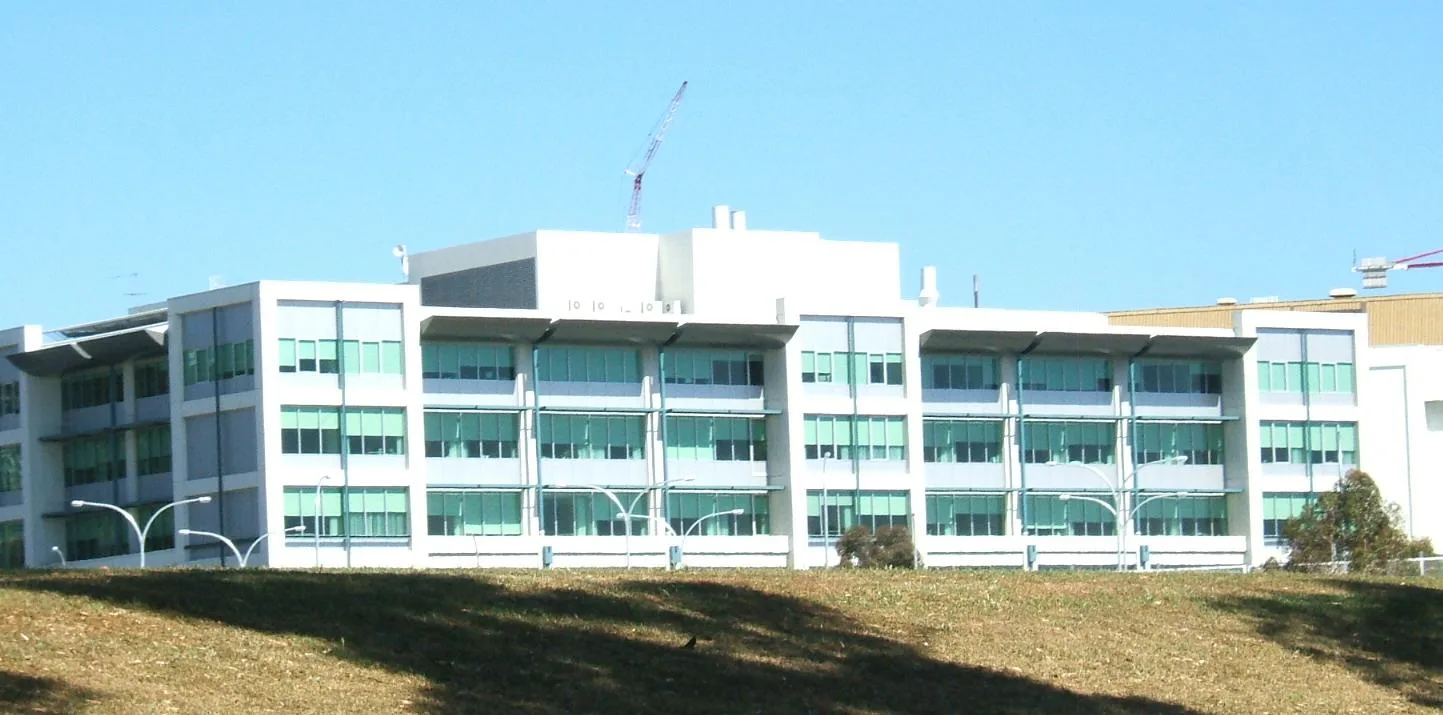
Hospital emergency departments, such as the one at Flinders Medical Centre in the southern suburbs, are open 24 hours a day, every day, for serious illness and injury. When you arrive, a triage nurse assesses how urgently you need treatment, and people who are more unwell or injured may be seen first, even if they arrived after you; if your problem is less serious, expect to wait.
healthdirect lists signs that mean you should call 000 for an ambulance, including chest pain or tightness, difficulty breathing, severe bleeding, large burns, sudden numbness or weakness of the face, arm or leg, extreme pain, a serious accident, or someone who is unconscious. For minor illnesses and injuries, a GP, urgent care clinic or pharmacy is usually the better place, and keeps emergency departments free for people who need them.
If you need an interpreter in an emergency, call 000 first; the operator can connect you to TIS National.
Pharmacies
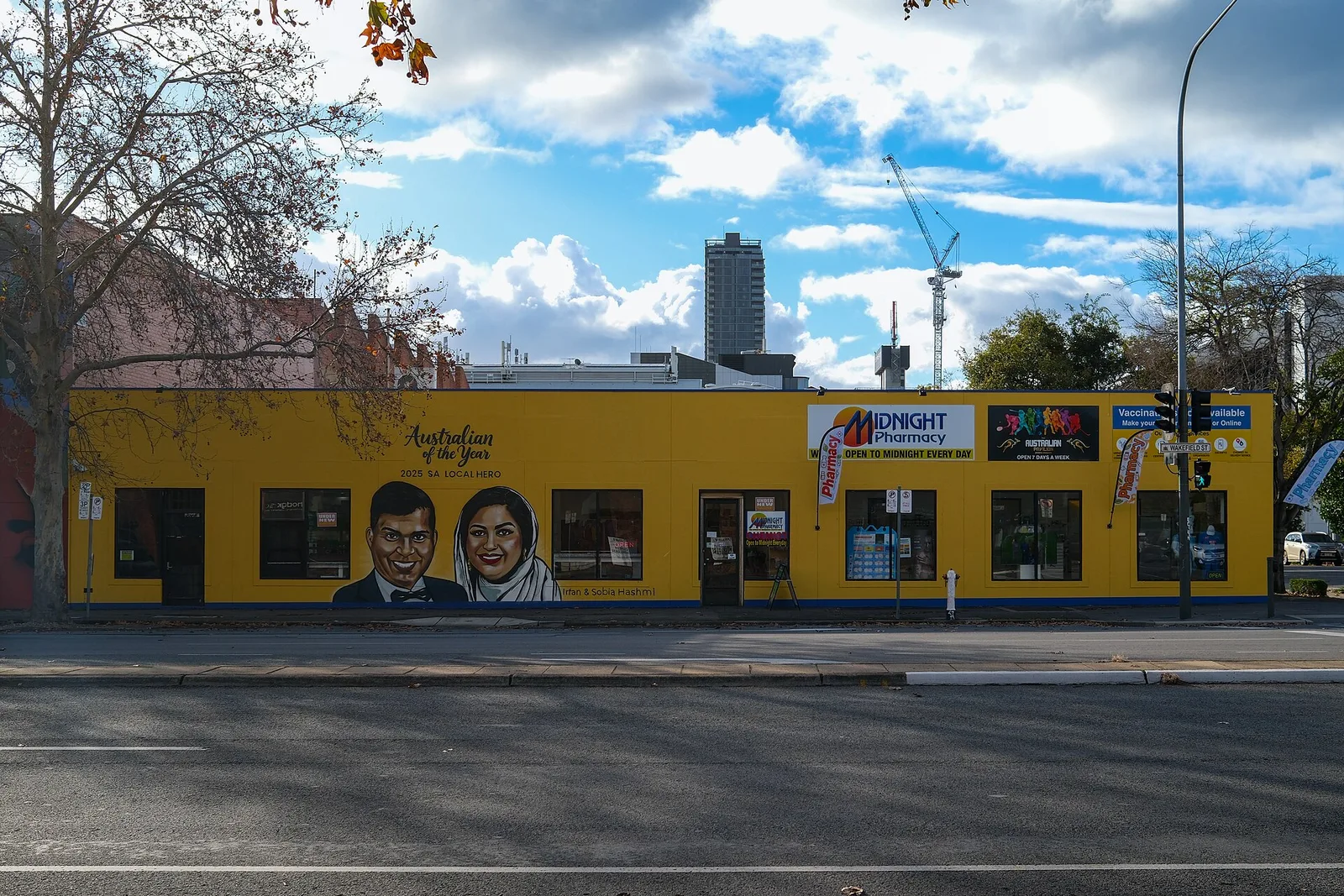
Pharmacists (often called chemists) are experts in medicines and are often the quickest first stop. As well as filling prescriptions from your doctor, they can advise on minor illnesses and injuries, help you decide whether you need to see a GP, sell over-the-counter medicines, and in many pharmacies give some vaccinations and health checks. Pharmacies can also use a free interpreting service. Use the healthdirect Service Finder to find a pharmacy, including ones open late.
Getting there
When you choose a practice, check how you would get there when unwell. Adelaide Metro's journey planner shows the public transport options, and our guide to getting around Adelaide explains tickets and routes.
Before you go
- Save the numbers: 000 for emergencies and 1800 022 222 for healthdirect. Our guide to emergency numbers lists the others.
- Bring your card: your Medicare card or number, or your private insurance or OSHC details, and a list of any medicines you take.
- Register before you need it: contact a practice as soon as you arrive, ask about new patients and billing, and transfer any records from your previous doctor.
- Ask about costs: when booking, ask whether you will be bulk billed or what the out-of-pocket cost will be.
- Summer: Adelaide's hot days bring their own risks; read our heatwave safety guide.
For more on settling in, read our guide to moving to Adelaide, the guide for international students and our guide to setting up utilities and internet.
Frequently asked questions
How do I find a GP in Adelaide?
Use the healthdirect Service Finder, a free government directory, to search by suburb or postcode. It shows practices with their contact details, opening hours and billing options. Call the practice to ask whether it takes new patients and how it bills.
What does bulk billing mean?
It means the doctor bills Medicare directly and accepts the Medicare benefit as full payment, so you pay nothing for that service. You must be enrolled in Medicare, and the doctor must choose to bulk bill, so ask when you book.
Where can I see a doctor after hours in Adelaide?
Call the healthdirect helpline on 1800 022 222 at any time to speak with a registered nurse, who can tell you where to go. Medicare Urgent Care Clinics see walk-in patients with urgent but not life-threatening problems without an appointment, and care there is bulk billed.
When should I go to an emergency department?
Go to an emergency department, or call 000 for an ambulance, for serious or life-threatening problems such as chest pain, difficulty breathing, severe bleeding, large burns, sudden weakness of the face or limbs, or a serious accident. For minor problems, see a GP, an urgent care clinic or a pharmacist.
Can a pharmacist help instead of a doctor?
For many minor illnesses and injuries, yes. Pharmacists can advise on symptoms and medicines, sell over-the-counter treatments, give some vaccinations, and tell you when you should see a doctor.
Your next customer could start right here.
Introduce your business to people discovering Adelaide: locals, visitors and the businesses that serve them.
Explore placements and request a private quote
Sources
Where the facts come from
The 7 references this article was checked against.
- What healthcare do I need? (opens in a new tab)
healthdirect Australia · healthdirect.gov.au
GPs, pharmacists, after-hours care, urgent care clinics, emergency departments, when to call an ambulance, interpreters.
- Bulk billing for medical services (opens in a new tab)
healthdirect Australia · healthdirect.gov.au
Gap payments, claiming, and questions to ask when booking.
- After-hours GP helpline (opens in a new tab)
healthdirect Australia · healthdirect.gov.au
The 24-hour helpline, its nurses and GP call backs.
- Medicare Urgent Care Clinics (opens in a new tab)
SA Health · sahealth.sa.gov.au
What the clinics treat and their South Australian locations.
- Priority Care Centres (opens in a new tab)
SA Health · sahealth.sa.gov.au
Purpose of the centres and the referral requirement.
- What is Medicare? (opens in a new tab)
healthdirect Australia · healthdirect.gov.au
Who is eligible for Medicare and how to register through myGov or an enrolment form.
- Emergency Department at Flinders Medical Centre (opens in a new tab)
SA Health · sahealth.sa.gov.au
Open 24 hours; triage and who is seen first.
Comments
No comments yet. Be the first to join the conversation.
Leave a comment
Every comment is read by a moderator before it appears. Your email address is never published; it is used only to contact you about this comment.
More from Adelaide Sphere

Local guideLiving in Adelaide
Arriving in Adelaide as an international student: a first-weeks guide
What international students need to know on arrival in Adelaide: StudyAdelaide, health cover, the work conditions on a student visa, finding somewhere to live, concession travel, driving and where to get help.
By Adelaide Sphere

Local guideLiving in Adelaide
Getting an Australian SIM card in Adelaide: prepaid, plans, eSIM and ID checks
How to get a mobile service when you arrive in Adelaide: prepaid and SIM-only plans, the ID check for a prepaid SIM, Australia’s three mobile networks and their coverage maps, eSIM, and how to spot text message scams.
By Adelaide Sphere

Local guideLiving in Adelaide
Opening a bank account in Adelaide: a guide for international students and newcomers
How opening an Australian bank account works when you are new to Adelaide: the kinds of institution, the identity documents banks ask for, starting before you arrive, why your TFN matters, and how to avoid banking scams.
By Adelaide Sphere