

Is Adelaide safe to visit? A practical guide to staying safe
A balanced, practical look at staying safe in Adelaide: everyday precautions, nights out, security on late-night trains and trams, the natural hazards that matter most (heat, sun, bushfire and the beach) and who to call for help.
5 min read

In this article
For most visitors, a trip to Adelaide passes without a worry. The city centre is compact and easy to walk, public transport is straightforward, and the usual big-city precautions go a long way. As in any city, though, things can go wrong, and in South Australia the bigger risks often come from the environment rather than from people: summer heat, strong sun, bushfire days and the sea.
This guide pulls together practical advice from SA Police, Adelaide Metro and the state's emergency and health agencies. It does not rank suburbs or quote crime figures. If you want statistics, SA Police and the Australian Bureau of Statistics publish them, with dates, on their own websites.
The short version
- Emergency: call Triple Zero (000) for police, fire or ambulance.
- Non-urgent police help: the Police Assistance Line, 131 444.
- Nights out: plan your way home before you go, keep your phone charged and stay with your friends.
- Trains and trams after 7 pm: Adelaide Metro says security staff and Passenger Service Assistants are on board every service until the last one.
- Summer: heat, sun, bushfire danger and the beach are the hazards to plan for.
Everyday safety
SA Police's tips for getting around safely are the sort that work anywhere:
- Keep your phone charged, and carry a power bank if you rely on it for maps and tickets.
- Tell someone your plans: share your route, or your live location, with someone you trust.
- Stay aware: look around as you walk, keep headphone volume low or use one earbud, and do not let your phone absorb all your attention.
- Trust your instincts: if something feels wrong, move away from the situation.
- Set up emergency details (In Case of Emergency) that can be read from your locked phone screen.
SA Police also suggest a personal safety app. Most are free, and they can share your location with trusted contacts or call for help discreetly.
Nights out
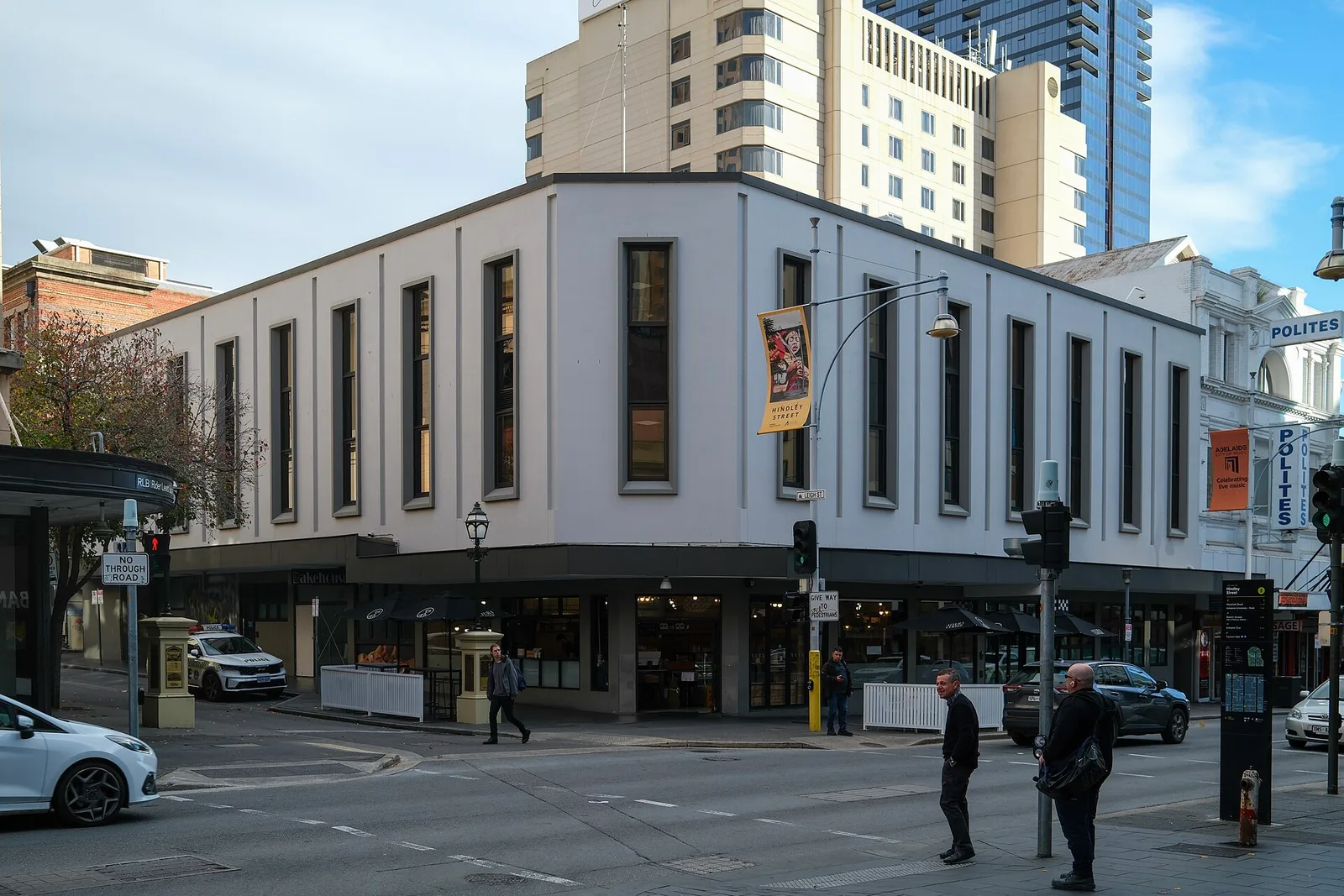
Adelaide's nightlife is concentrated in a few precincts in and around the city centre, which you can read about in our nightlife precincts guide. SA Police's advice for a safe night out:
- Plan: tell friends or family where you are going, take ID and a charged phone, and have enough money for the whole night including the trip home.
- Arrange transport before you go out, and never get into a car with a driver who has been drinking or taking drugs.
- Look after your friends: stay in a group, walk away from conflict and take your friends with you, and do not leave anyone alone or with someone they have just met.
- Know your limits: eat before and while drinking, alternate with non-alcoholic drinks, and refuse top-ups.
- Watch your drink: never leave it unattended, never accept drinks from strangers, and watch drinks being poured.
Late-night public transport
Adelaide Metro runs the city's buses, trains and trams, and sets out several safety measures:
- Cameras: more than 9,000 across vehicles, stops and stations, recording 24 hours a day.
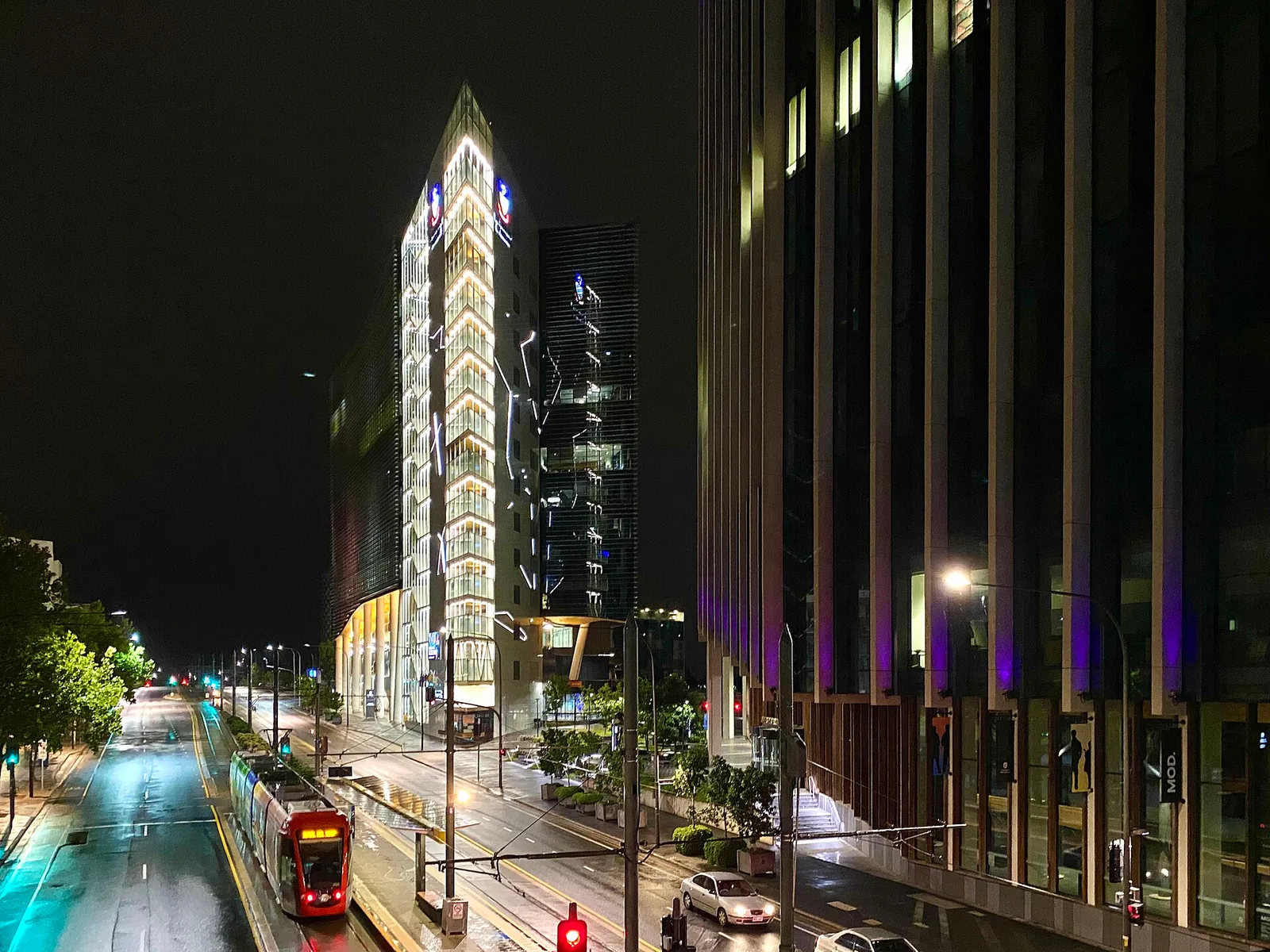
- Staff after dark: from 7 pm each night, Passenger Service Assistants and security are on board every train and tram service until the last service.
- Help on board: every train and tram carriage has an emergency intercom to the driver, who can call police, ambulance or security. Emergency phones linked to CCTV are also at key points around the network.
- On a bus: if you feel unsafe, move closer to the driver. If that is not possible, press the stop button and speak to the driver once the bus has stopped.
Drivers are not police or security guards, so if something is serious, call 000. To report illegal or suspicious behaviour afterwards, contact Crime Stoppers on 1800 333 000 (you do not have to give your name) or use Adelaide Metro's online reporting form.
Check the time of the last service home before you head out. Our guide to getting around by public transport and MetroCard guide explain tickets and journey planning.
Natural hazards
These are the risks many visitors underestimate.
Heat
SA Health says everyone is at risk of heat-related illness in very hot weather. Drink plenty of water, avoid the hottest part of the day, and head for an air-conditioned public place such as a library or shopping centre if you need to cool down. Never leave children or pets in a parked car. Our heatwave safety guide explains warnings and the signs of heatstroke.
Sun
SA Health advises a hat and light, loose clothing outdoors, and when the UV index is 3 or above, sunglasses and SPF50+ sunscreen as well. Surf Life Saving SA recommends reapplying sunscreen every two hours and after swimming.
Bushfire
During the Fire Danger Season, the Adelaide Hills and other bushland can face dangerous fire weather. The Country Fire Service (CFS) publishes a daily fire danger rating during the fire season: Moderate, High, Extreme or Catastrophic. On Catastrophic days the CFS advises leaving bushfire risk areas, and Total Fire Bans restrict barbecues and campfires. Check the rating before any trip into the Hills; our bushfire season guide explains the system.
The beach
Surf Life Saving SA's first rule is to swim between the red and yellow flags at a patrolled beach. Patrols run on weekends and public holidays in the warmer months, and the Beachsafe app shows where and when. Our beach safety guide covers rips, stingers, sharks and jetties.
Where to get help
- Emergency (police, fire, ambulance): 000.
- Police, not urgent: the Police Assistance Line, 131 444.
- Crime Stoppers: 1800 333 000, anonymously.
- Storm or flood damage: the SA State Emergency Service on 132 500.
- Medical emergency: call 000 for an ambulance, or go to a hospital emergency department.
Our emergency numbers guide lists more lines, including relay options and health advice services.
Before you go
- Save the numbers above in your phone, and note the address where you are staying.
- Plan your late trips home before you go out.
- Check the weather and fire danger daily in summer.
- Pick a patrolled beach if you plan to swim.
New to the city? Start with our first-time visitor's guide, find maps and local advice through our visitor information guide, and see our accessible Adelaide guide for access information.
Frequently asked questions
Is Adelaide safe for tourists?
Most visits pass without problems, and ordinary precautions go a long way: plan your trip home, keep your phone charged and stay aware of your surroundings. In summer, heat, sun, bushfire danger and the beach are the hazards to plan for.
Is public transport in Adelaide safe at night?
Adelaide Metro says that from 7 pm each night Passenger Service Assistants and security are on board every train and tram service until the last service. Trains and trams have emergency intercoms to the driver, and the network has more than 9,000 cameras.
What number do I call for police in Adelaide?
Call Triple Zero (000) in an emergency. For non-urgent police help, call the Police Assistance Line on 131 444.
Where can I find crime statistics for Adelaide?
SA Police and the Australian Bureau of Statistics publish crime statistics on their own websites. Check the date of any figures you read, as they change from year to year.
What natural hazards should visitors to Adelaide know about?
In summer the main ones are extreme heat, strong sun, bushfire danger in the Adelaide Hills and other bushland, and beach hazards such as rips. Check heatwave warnings, the CFS fire danger rating and swim between the flags at patrolled beaches.
Your next customer could start right here.
Introduce your business to people discovering Adelaide: locals, visitors and the businesses that serve them.
Explore placements and request a private quote
Sources
Where the facts come from
The 7 references this article was checked against.
- Staying safe on a night out (opens in a new tab)
SA Police · police.sa.gov.au
Planning, transport, looking after friends and drink safety.
- Staying safe when out and about (opens in a new tab)
SA Police · police.sa.gov.au
Phones, safety apps, sharing plans and awareness.
- Safety and security (opens in a new tab)
Adelaide Metro · adelaidemetro.com.au
Cameras, staff after 7 pm, emergency intercoms, feeling unsafe on board and reporting.
- Healthy in the Heat (opens in a new tab)
SA Health · sahealth.sa.gov.au
Heat risk, keeping cool and UV advice.
- Travelling in South Australia (opens in a new tab)
CFS · cfs.sa.gov.au
Fire danger ratings and Total Fire Bans for travellers.
- Coastal Safety Resources (opens in a new tab)
Surf Life Saving SA · surflifesavingsa.com.au
Swimming between the flags and sun protection tips.
- Emergency and helpful contacts during a heatwave (opens in a new tab)
SA Health · sahealth.sa.gov.au
Triple Zero for ambulances and the SES on 132 500.
Comments
No comments yet. Be the first to join the conversation.
Leave a comment
Every comment is read by a moderator before it appears. Your email address is never published; it is used only to contact you about this comment.
More from Adelaide Sphere

Local guideCity guides
Adelaide nightlife: Hindley Street, the East End, laneways and live music
Where to go out in Adelaide: Hindley Street and the West End, Rundle Street and the East End, the laneway bars, the city’s live music scene, and how to get home safely after a night out.
By Adelaide Sphere

ExplainerCity guides
Conrad and Galsworthy at Port Adelaide: the 1893 voyage of the Torrens
In March 1893 a ship’s officer named Joseph Conrad and a young lawyer named John Galsworthy sailed from Port Adelaide on the clipper Torrens. One became the author of Heart of Darkness, the other a Nobel laureate. Here is the story, and where to find the old Port today.
By Adelaide Sphere

Local guideCity guides
Burnside Adelaide guide: Burnside Village, the foothills and Waterfall Gully
A local guide to Burnside and the City of Burnside foothills: Burnside Village, Kensington Gardens, historic Beaumont and Glen Osmond, the falls at Waterfall Gully, foothills walks, and where to eat, shop and catch a film.
By Adelaide Sphere