

Enrolling in school in South Australia: zones, starting ages and term dates
Moving to Adelaide with children? How public school enrolment works in South Australia: starting ages, school zones and capacity management, proof of residence, the move to secondary school, preschool, term dates, and Catholic and independent schools.
7 min read

In this article
Every child in South Australia has a local public school, and for most families enrolling there means contacting the school with the right documents. It gets more involved if you want a school outside your area, your local school is in high demand, or you arrive mid-year.
This guide explains how enrolment works in South Australia's government schools and preschools, run by the Department for Education, with a note on Catholic and independent schools. It covers the process only. Zones, rules and dates change, so confirm the details for your address on education.sa.gov.au or with the school.
The short version
- Starting age: most children start school in the year they turn 5, and every child must be enrolled by age 6.
- Your local school is set by a school zone, a catchment area or, in outer areas, a bus route. Check yours with the department's find a school zone tool.
- High-demand schools may have a capacity management plan that limits who they can take, even from inside the zone.
- Proof of residence: expect to show documents that prove where your child lives.
- Secondary school: families register interest in year 6, in term 2, through a statewide process.
- 2027 terms: term 1 runs 27 January to 9 April; check the department's calendar for the rest.
When children start
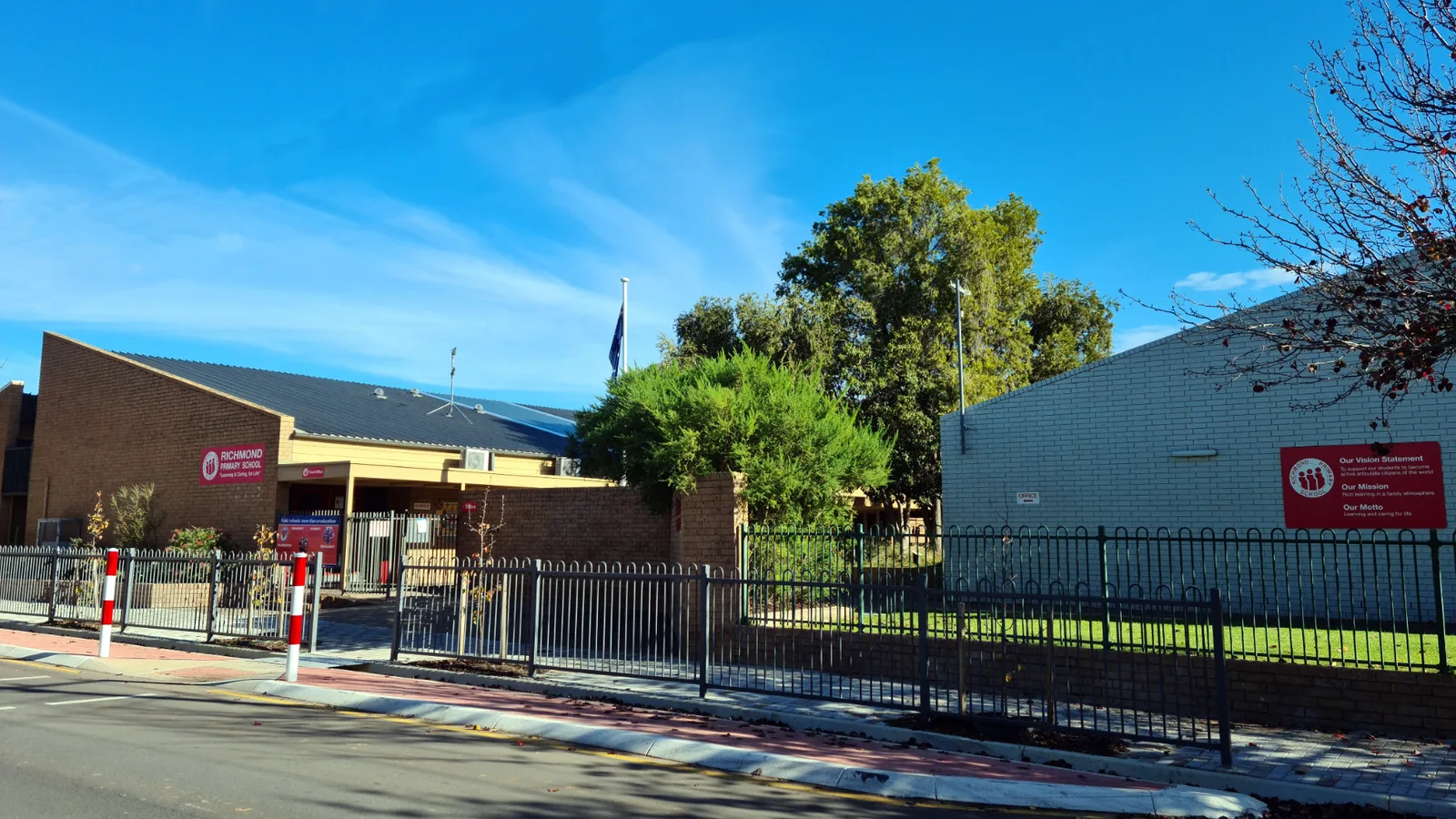
The first year of primary school is called reception. Public primary schools have two intakes. According to the department, a child who turns 5 before 1 May can start reception in term 1 that year; one who turns 5 between 1 May and 31 October can start in term 3, mid-year; and one who turns 5 after 31 October starts the following year. The department's website has a calculator: enter your child's birth month and year to see their start date.
Most primary schools take applications for the next year before the end of term 2, using a registration of interest form from the school. You can apply to more than one school; the department recommends also applying to your local school in case another application is unsuccessful.
School zones and your local school
Your local school is decided by where you live. The department uses three tools:
- Zones: a defined area from which a school takes its core intake. Children living inside get priority. Most metropolitan Adelaide high schools are zoned, as are some primary schools. Some schools share a zone, and families there nominate a preferred school.
- Catchment areas: for unzoned schools, the area closer by road to that school than to any other unzoned school.
- Bus routes: in outer metropolitan and country areas, catchments can include children living more than 5 kilometres from their nearest school who use a school bus or transport allowance.
Use the department's find a school zone or catchment area tool, or its zone maps by enrolment year, to check an address. Zone boundaries do not always follow suburb lines, so check the exact address.
Capacity management plans
Some schools have more demand than places, and may restrict enrolments and programs. These schools have a capacity management plan, which sets out who they can enrol. If a school with a plan cannot offer a place to a family living in its zone, the school helps them enrol at another nearby school. The department lists the schools with plans on its website; check it if your preferred school is popular.
Applying to a school that isn't your local one
You can apply to any public school, but a non-local place is offered only if there is room. When non-local demand is higher than the places available, the department says schools consider distance from home, curriculum needs, social or family links to the school, and transport. Some children qualify for automatic entry, for example siblings of current students in many cases. Schools with capacity management plans may restrict non-local places.
Starting secondary school
Moving from primary to secondary school (year 7) happens through a statewide transition process. Families of year 6 students at public primary schools get a unique link from their school around the start of term 2, and register interest in May. You can nominate up to three non-local secondary schools as well as your local (zoned) school, and offers are sent in August. Families at non-government primary schools who want a public secondary school apply through the same process.
Proof of residence and identity
When you accept a place, the school or preschool gives you an enrolment form and asks for evidence. You will need proof of your child's name and date of birth, such as a birth certificate or passport and visa, and proof of residence:
- If you own your home: a contract of sale or recent council rates notice, plus a recent gas or electricity bill for the property.
- If you rent: a rental agreement and a bond receipt lodged with Consumer and Business Services, plus a recent gas or electricity bill. The rental agreement should cover at least the first 12 months at the school.
Schools under enrolment pressure apply stricter rules, for example a lease covering the whole next school year for the entire property, not a room. You will also be asked about family law orders, visa details and health or disability needs. The information must be true, or an offer can be withdrawn.
Arriving from interstate or overseas
To change schools during the year, contact the new school; the principal can explain the transfer process. South Australia is part of a national system for sharing student information between states, so a new school can, with your consent, request your child's records from their previous interstate school.
Families on some temporary visas may have to pay a student fee to attend a public school, depending on the visa and their income. The department's visa lookup tool tells you who to contact for your visa type; check it before you enrol.
Preschool
Children can attend four terms of government preschool (often called kindergarten) in the year before school. The starting rule mirrors school: a child who turns 4 before 1 May can start at the beginning of the year, one who turns 4 between 1 May and 31 October can start in term 3, and later birthdays start the following year. To enrol, complete a preschool registration of interest form and send it to your preferred preschools; preschools give priority to children in their local catchment area. Children must meet immunisation requirements before they can enrol or attend.
Universal preschool for 3-year-olds is being introduced in government preschools in stages from 2026 to 2032, starting in regional and remote areas. Check the department's three-year-old preschool page for when it reaches your area.
Term dates
South Australian public schools run four terms a year. The department's published dates for 2027 are:
- Term 1: 27 January to 9 April
- Term 2: 26 April to 2 July
- Term 3: 19 July to 24 September
- Term 4: 11 October to 10 December
Non-government schools set their own dates, which are often similar but not always the same. For long weekends, see our guide to South Australian public holidays.
Catholic and independent schools
Alongside public schools, South Australia has Catholic and independent schools, and each runs its own application and enrolment process, so contact them directly. Catholic Education South Australia lists its 101 Catholic schools across the state in an online school directory. Independent schools, whose peak body is the Association of Independent Schools of South Australia, include schools of many faiths, secular schools, and schools following particular approaches such as Montessori or Steiner. Fees and waiting lists vary; ask each school.
Getting there
Many students travel to school by Adelaide Metro bus, train or tram; our metroCARD guide explains the cards.
Before you go
- Check the zone for the exact address before you commit to a home.
- Apply early: for the next school year, get applications in by the end of term 2.
- Gather documents: birth certificate or passport, immunisation records for preschool, your lease or contract, bond receipt and a recent energy bill.
- Visit: schools run open days and principal's tours; the department lists them on its website.
Moving with a family? Read our guide to moving to Adelaide, renting in Adelaide and our overview of Adelaide's suburbs, and for the weekends, things to do with kids.
Frequently asked questions
When can my child start school in South Australia?
Most children start reception in the year they turn 5. A child who turns 5 before 1 May can start in term 1, one who turns 5 between 1 May and 31 October can start in term 3, and one who turns 5 after 31 October starts the following year. Children must be enrolled by age 6.
How do I find my school zone in Adelaide?
Use the Department for Education’s find a school zone or catchment area tool, or its school zone maps by enrolment year, and check the exact address. Most metropolitan high schools and some primary schools are zoned.
What is a capacity management plan?
It is a plan for a public school with more demand than places, setting out who it can enrol. A school with a plan may not be able to take every child from its zone, and may restrict non-local students; if it cannot place a local child, it helps the family enrol at another nearby school.
What documents do I need to enrol in a public school?
Proof of your child’s name and date of birth, such as a birth certificate or passport, and proof of residence. Renters usually show a rental agreement, a bond receipt from Consumer and Business Services and a recent gas or electricity bill; owners show a contract of sale or rates notice and an energy bill.
Can my child go to a Catholic or independent school instead?
Yes. Catholic and independent schools run their own application and enrolment processes, fees and dates, so contact the school directly.
Your next customer could start right here.
Introduce your business to people discovering Adelaide: locals, visitors and the businesses that serve them.
Explore placements and request a private quote
Sources
Where the facts come from
The 8 references this article was checked against.
- Starting school (opens in a new tab)
Department for Education (SA) · education.sa.gov.au
Starting ages, the two intakes, applying for primary and secondary school.
- Placement in school (opens in a new tab)
Department for Education (SA) · education.sa.gov.au
Local schools, zones, non-local entry criteria and automatic entry.
- School zones and catchment areas (opens in a new tab)
Department for Education (SA) · education.sa.gov.au
Zones, shared zones, catchment areas and bus routes.
- Confirming enrolment (opens in a new tab)
Department for Education (SA) · education.sa.gov.au
Proof of identity and residence.
- When your child can start preschool (opens in a new tab)
Department for Education (SA) · education.sa.gov.au
Preschool starting ages, three-year-old preschool rollout, immunisation.
- Catholic Education South Australia (opens in a new tab)
Catholic Education South Australia · cesa.catholic.edu.au
Catholic schools across South Australia and the school directory.
- Association of Independent Schools of South Australia (opens in a new tab)
AISSA · ais.sa.edu.au
The independent school sector and its range of schools.
- Term dates for South Australian state schools (opens in a new tab)
Department for Education (SA) · education.sa.gov.au
2027 term dates (page updated 7 April 2026).
Comments
No comments yet. Be the first to join the conversation.
Leave a comment
Every comment is read by a moderator before it appears. Your email address is never published; it is used only to contact you about this comment.
More from Adelaide Sphere

Local guideLiving in Adelaide
Arriving in Adelaide as an international student: a first-weeks guide
What international students need to know on arrival in Adelaide: StudyAdelaide, health cover, the work conditions on a student visa, finding somewhere to live, concession travel, driving and where to get help.
By Adelaide Sphere

Local guideLiving in Adelaide
Emergency numbers in Australia: who to call in Adelaide and when
The numbers to know in Adelaide and South Australia: Triple Zero (000), 112 from mobiles, relay options for deaf and speech-impaired callers, the Police Assistance Line, the SES, Poisons Information and healthdirect, and when to use each.
By Adelaide Sphere

Local guideLiving in Adelaide
Getting a tax file number (TFN) in Adelaide: a newcomer’s guide
What a tax file number is and how to apply for one: online for visa holders with work rights, or in person in Adelaide through Australia Post or Services Australia. Plus who should see your TFN and how to spot ATO scams.
By Adelaide Sphere