

Where to watch the sunset in Adelaide: jetties, beaches and Hills lookouts
Adelaide’s coast faces west, so the sun goes down over the sea. Where to watch it, from the Henley, Brighton, Semaphore, Grange and Port Noarlunga jetties to Mount Lofty, Windy Point and Light’s Vision, and how to plan the evening.
Updated 7 min read

In this article
Adelaide’s metropolitan coast runs north to south and looks west across Gulf St Vincent, so on a clear evening the sun sets over the water. That makes almost any beach a sunset spot, but the jetties are the classic place to watch it: you walk out over the sea, the light catches the piles and the water, and the beach behind you turns gold.
The other way to see it is from above. From the lookouts in the Adelaide Hills the sun drops behind the gulf and the city lights come on across the plain below. This guide covers both, plus a city lookout for dusk, the seasons, and how to plan the evening so the trip home is as easy as the view.
The short version
- Easiest by the sea: walk out on a jetty: Henley Beach, Brighton, Semaphore, Grange or Port Noarlunga.
- Best view of the city at dusk: Light’s Vision on Montefiore Hill in North Adelaide, a short walk from the city centre.
- Highest view: Mount Lofty Summit in Cleland National Park, more than 700 metres up.
- City lights after dark: Windy Point, a council lookout reserve at Belair.
- Timing: in summer, with daylight saving, sunsets are late in the evening; in winter they come early. Arrive half an hour before.
The jetties
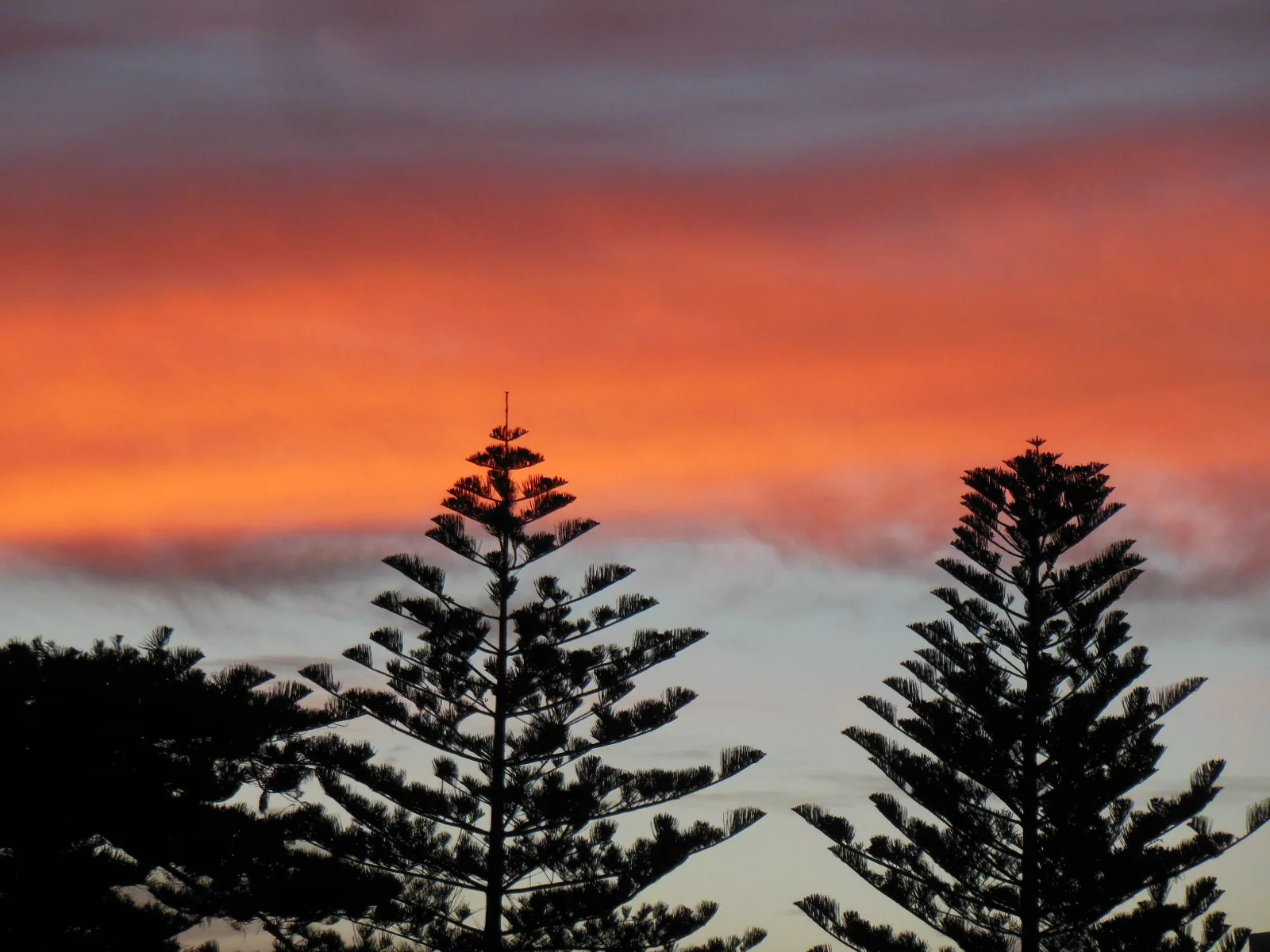
Henley Beach. Henley Square sits on the Esplanade right behind the jetty, so this is the easiest sunset outing with somewhere to sit before and after: walk out along the jetty, then back to the square and the lawns. On a warm evening it is busy, which is half the charm.
Grange. A few minutes north, the Grange jetty stands midway along Grange Beach. It dates from the late 19th century, when the area was first laid out as a seaside resort.
Semaphore. Semaphore’s jetty was completed in 1860; storm damage in the 1930s cut it back, and it now runs about 585 metres out to sea. A memorial clock from 1925 stands at the shore end, and the wide, gently shelving beach beside it is good for a long walk at golden hour.
Brighton. The original Brighton jetty was built in 1886 and stood for more than a century until winter storms in 1994 badly damaged it; it was rebuilt, and the tower at its end dates from the rebuild. A war memorial arch marks the shore end, and the Esplanade runs along the beach on either side.
Port Noarlunga. The jetty here opened in 1921 and runs out across the beach towards the reef that lies about 400 metres offshore. It is lit at night and is described as wheelchair accessible, which makes it one of the better jetties for staying on after the light goes. The reef and the river estuary beside it are an aquatic reserve with strict fishing limits.
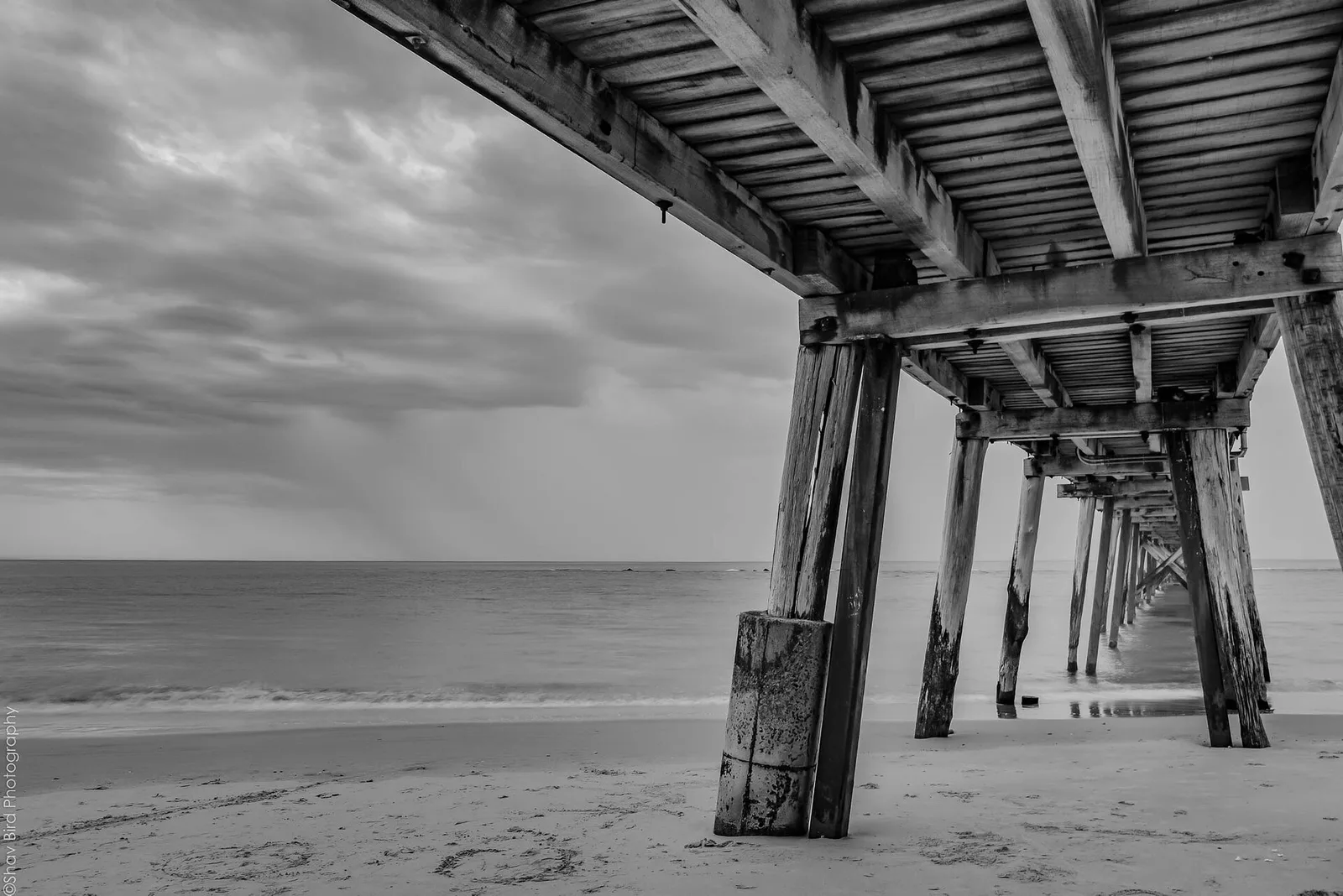
Glenelg. Adelaide’s best-known beach has its own jetty and a square that stays lively into the evening; see our Glenelg first-visit guide for the tram, the beach and the history.
The Hills lookouts
Mount Lofty Summit
Mount Lofty is the highest point in the southern Mount Lofty Ranges, at more than 700 metres, and its summit sits within Cleland National Park, managed by National Parks and Wildlife Service SA. The summit has lookout platforms, toilets, a picnic shelter and paths, and the Flinders Column, the stone obelisk raised in 1885 as a survey reference point. From the platforms you look west over the whole city and plain to the gulf, which is where the sun goes down.
Entry to the park is free, but parking at the summit is paid. The park closes on days of Catastrophic Fire Danger and may close on Extreme Fire Danger days, which can fall on exactly the hot, clear summer evenings that tempt you up there; check the park’s alerts before you drive.
Windy Point
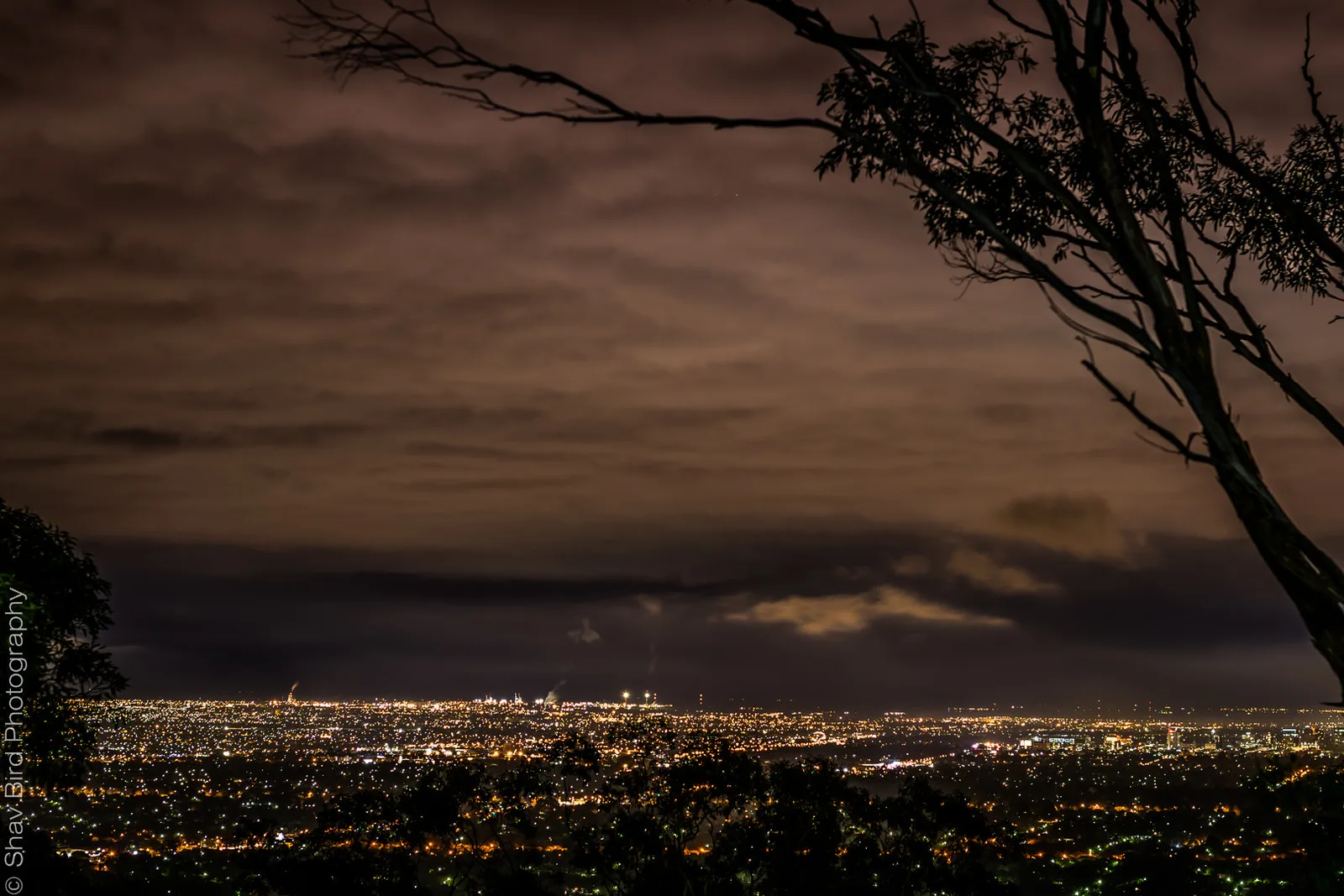
Windy Point, once called Observation Point, is a lookout reserve at Belair that the District Council of Mitcham acquired in 1930 after locals lobbied to protect it. It looks out over the city and the coastline, and it is a good place to watch the sun go down over the gulf and stay on as the lights of the suburbs come on below. Parking is limited, so arrive early on a fine evening.
Light’s Vision: dusk over the city
On Montefiore Hill in North Adelaide, at the corner of Montefiore Road and Pennington Terrace, the statue of Colonel William Light looks south over Adelaide Oval and the city skyline. The bronze was unveiled in Victoria Square in 1906 and moved to the hill in 1938. It is not a sea view, but as the sun sets off to the west the city towers catch the last light, and then the Oval and the streets light up. It is an easy walk from the city centre and pairs well with an evening at the ground; our Adelaide Oval guide covers getting there.
Seasons
South Australia runs on daylight saving (Australian Central Daylight Time) from early October to early April, so summer sunsets come late in the evening and a beach sunset fits after work or after dinner. In winter, on standard time, the sun is down early, often before most people have left the office, but the light can be clearer and the jetties quieter. Look up the exact sunset time for the day you plan to go, as it shifts by several minutes a week around the equinoxes.
Plan your evening
- Timing: check the sunset time, then aim to arrive 30 to 45 minutes before. Stay a while afterwards: the sky often keeps its colour after the sun has gone.
- Arrive early: parking near the popular jetties and at the lookouts fills up on warm weekend evenings.
- Layer up: sea breezes and Hills air turn cool quickly once the sun has gone, even after a hot day. Bring a jumper.
- The trip home: decide before you go how you will get back. Check Adelaide Metro for the last services if you are using public transport, and know where you parked.
- Access needs: jetties are long and exposed, and lookout paths can be steep or uneven. If you need step-free access or seating, look at the council or park information first; Port Noarlunga’s jetty is described as wheelchair accessible.
Before you go
- Bring a torch: once the light goes, beach paths, dunes and lookout tracks get dark fast. A phone torch will do, but a small torch saves your battery for the trip home.
- Walking back after dark: stick to lit paths and go with others where you can. Watch your footing on jetty boards, rocks and steps.
- Swimming after dark: don’t. Surf Life Saving SA advises swimming only at patrolled beaches and never alone, and patrols are a daytime service. After sunset nobody is watching the water and you cannot see rips, holes or anything below the surface.
- Fishing lines: people fish from the jetties into the evening, so take care around lines and hooks.
- Hills roads at dusk: kangaroos and other wildlife are most active at dusk and dawn. Drive slowly, especially on the winding roads up to the lookouts and inside the parks, and if an animal is on the road slow down and let it move rather than swerving.
- Dogs: if you are bringing one, check the local beach rules first; our guide to dog-friendly beaches explains them.
For a full day on the coast before the sunset, see our guide to Adelaide’s beaches. To earn the view from the Hills, our walks near Adelaide includes trails in the ranges, and for somewhere to eat afterwards browse our restaurants and cafés.
Frequently asked questions
Where is the best place to watch the sunset in Adelaide?
Because the metropolitan coast faces west over Gulf St Vincent, any of the jetties are good choices, including Henley Beach, Brighton, Semaphore, Grange and Port Noarlunga. For a view from above, try Mount Lofty Summit or Windy Point in the Hills.
Can you watch the sunset from Mount Lofty Summit?
Yes. The summit, more than 700 metres up in Cleland National Park, has lookout platforms facing west over the city to the gulf. Parking there is paid, and the park closes on Catastrophic Fire Danger days, so check alerts before you go.
Where can I see the city lights after sunset?
Windy Point at Belair and Mount Lofty Summit both look out over the city and coastline, and the lights of the suburbs spread across the plain after dark. Light’s Vision in North Adelaide looks over Adelaide Oval and the city centre at dusk.
What time is sunset in Adelaide in summer?
Sunsets are late in the evening during daylight saving, which runs from early October to early April, and much earlier in winter. Look up the exact time for your date, and arrive about half an hour before.
Is it safe to swim at the beach after sunset?
It is best not to. Surf Life Saving SA advises swimming only at patrolled beaches and never alone, and patrols operate in daylight. After dark you cannot see rips, holes or hazards under the water.
Your next customer could start right here.
Introduce your business to people discovering Adelaide: locals, visitors and the businesses that serve them.
Explore placements and request a private quote
Sources
Where the facts come from
The 7 references this article was checked against.
- Cleland National Park (opens in a new tab)
National Parks and Wildlife Service SA · parks.sa.gov.au
Mount Lofty Summit facilities, paid parking, fire danger closures and park management.
- Mount Lofty (opens in a new tab)
Wikipedia · en.wikipedia.org
Summit height, westward views and the Flinders Column.
- Know your Park Lands art: Light’s Vision (opens in a new tab)
Adelaide Park Lands Association · adelaide-parklands.asn.au
Location on Montefiore Hill, views over the city and Adelaide Oval, and the statue’s history.
- Belair, South Australia (opens in a new tab)
Wikipedia · en.wikipedia.org
Windy Point reserve, its former name and its acquisition by the council in 1930.
- Semaphore, Brighton, Grange and Port Noarlunga (opens in a new tab)
Wikipedia · en.wikipedia.org
Jetty histories and lengths, cross-checked with the Brighton, Grange and Port Noarlunga suburb articles.
- Lifesavers’ safety tips (opens in a new tab)
Surf Life Saving SA · surflifesavingsa.com.au
Swim at patrolled beaches and never alone.
- Slow down for wildlife in our national parks (opens in a new tab)
Department for Environment and Water SA · environment.sa.gov.au
Wildlife activity at dusk and dawn and what to do when an animal is on the road.
Comments
No comments yet. Be the first to join the conversation.
Leave a comment
Every comment is read by a moderator before it appears. Your email address is never published; it is used only to contact you about this comment.
More from Adelaide Sphere

Local guideThings to do
Adelaide with a dog: off-leash parks, rules and getting around
Where to walk a dog in Adelaide: the off-leash parks of the Adelaide Park Lands and the rules that apply, why pets cannot ride public transport, national parks that allow dogs on lead, and the beaches.
By Adelaide Sphere

Local guideThings to do
Easy walks in Adelaide’s city centre and Park Lands
Five flat, easy walks you can start from the city centre: the riverbank loop, North Terrace’s cultural boulevard, the view from Light’s Vision, the gardens of the South Park Lands and the laneways and markets in between.
By Adelaide Sphere

Local guideThings to do
Blue swimmer crabbing near Adelaide: raking, drop nets and the rules
How to catch blue swimmer crabs in Gulf St Vincent this summer, from raking the tidal flats north of Adelaide to drop nets off a jetty, with the PIRSA rules, handling tips and how to stay safe on the flats.
By Adelaide Sphere