

What is Adelaide famous for? Festivals, wine, Park Lands and more
Why Adelaide is called the Festival State’s capital and the City of Churches, how Colonel Light’s plan and the Park Lands shaped it, and the wine, food, beaches and sporting legends, Bradman included, that it is known for.
6 min read

In this article
Ask people what Adelaide is famous for and you will hear a mix of answers: festivals, wine, a city ringed by parkland, churches, pies, beaches and a certain cricketer. Each has a real story behind it, and together they explain a lot about how South Australia’s capital looks and feels.
This guide runs through the things Adelaide is best known for, why, and where to go to see them for yourself.
The short version
- Festivals: South Australia is “the Festival State”, and every February and March the city hosts the Adelaide Festival, the Fringe, WOMADelaide and more.
- Wine: the state crushes about half of Australia’s winegrapes, and the Barossa, McLaren Vale and Clare are close by.
- The city plan: Colonel William Light’s grid of wide streets and squares, ringed by the Park Lands, is on the National Heritage List.
- City of Churches: a nickname dating back to at least the 1860s, reflecting the colony’s freedom of religion.
- Food: the Adelaide Central Market and a strong local food culture.
- Beaches: a long coastline within reach of the city by tram and bus.
- Sport and Bradman: Sir Donald Bradman lived in Adelaide for most of his life, and his collection is displayed at the Adelaide Oval.
The Festival State
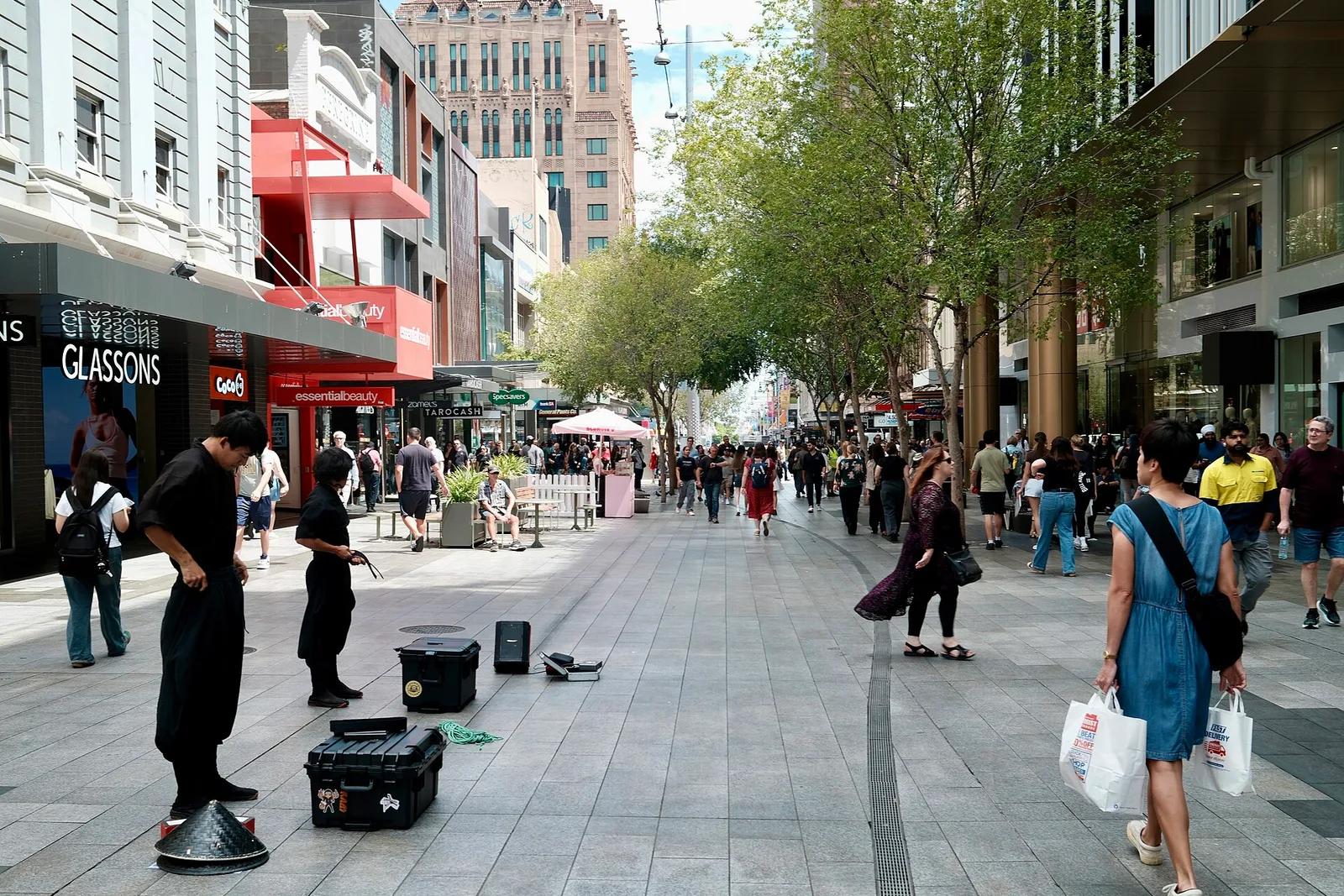
South Australia has called itself the Festival State for many years, and Adelaide is the reason. The Adelaide Festival of Arts first ran from 12 to 26 March 1960 and still runs every year in late summer. The Adelaide Fringe, held over four weeks in February and March, is open access: it does not curate its program, so anyone with a show can take part, which fills the city with hundreds of venues. With WOMADelaide, Writers’ Week and the Adelaide 500 also falling in early March, locals call the season “Mad March”.
The calendar keeps going through the year, from the Tour Down Under, the first race of cycling’s UCI WorldTour season, to the annual Christmas Pageant. Adelaide has also been a UNESCO Creative City of Music since 2015, recognising its live music scene. Read our guides to the Adelaide Festival, Adelaide Fringe, WOMADelaide and live music, and check what’s on for this year’s dates.
Wine country on the doorstep
South Australia is Australia’s biggest wine-producing state. Wine Australia’s 2026 vintage report put the state’s crush at about 658,000 tonnes of grapes, roughly half of the national total. Several famous regions are within a day trip of the city: the Barossa, McLaren Vale, the Clare Valley and the Adelaide Hills. Cellar doors, long lunches and vineyard views are a big part of a visit.
Light’s plan and the Park Lands
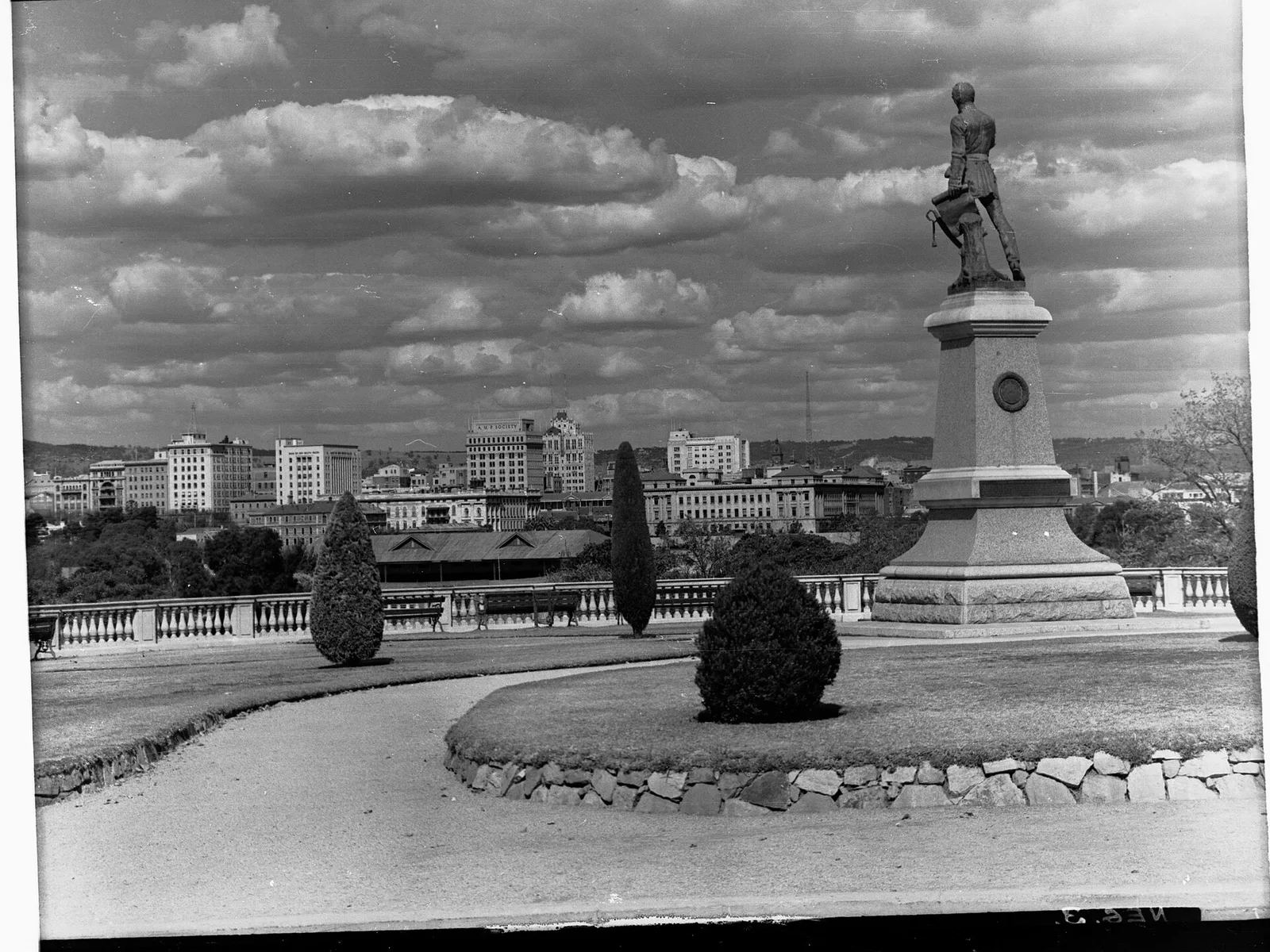
Adelaide was founded in 1836 as the planned capital of a colony of free settlers. Colonel William Light, the colony’s first Surveyor-General, laid out the city centre and North Adelaide as a grid of wide streets and public squares, completely surrounded by parkland. The Kaurna name for the city centre and its Park Lands is Tarndanya.
That design still shapes daily life. The Park Lands remain a green ring of gardens, sports grounds, playgrounds and trails, and in November 2008 the Adelaide Park Lands and City Layout was entered on the National Heritage List. Light’s statue now stands on Montefiore Hill in North Adelaide, at the lookout known as Light’s Vision. Explore them with our Park Lands guide and North Adelaide guide.
The City of Churches
Adelaide has been called the City of Churches since at least 1868. The colony was founded on promises of civil liberty and freedom from religious persecution, and many faiths built places of worship here, giving the city its nickname. Holy Trinity Church on North Terrace, built in 1838, was the first church built in South Australia, and the grand Anglican and Catholic cathedrals, St Peter’s in North Adelaide and St Francis Xavier’s beside Victoria Square, are landmarks today. Our architecture guide and landmarks guide show where to find them.
Food
Adelaide loves its food. The Adelaide Central Market has traded since 1869 and today has more than 70 traders under one roof, with Chinatown right next door; see our Chinatown and Gouger Street guide. Locals are fiercely loyal to a handful of home-grown treats, explained in our guide to iconic South Australian foods, and the regions supply produce from the sea, the Hills and the plains. Browse our restaurants and cafés to eat your way around.
Beaches
Adelaide sits between the hills and Gulf St Vincent, and its metropolitan beaches run along the coast from north to south. Glenelg is reached by tram from the city, and beaches such as Henley, Semaphore and Brighton have guides of their own. Start with our beaches guide and sunset views guide, and read our beach safety guide before you swim.
Sport, and Bradman
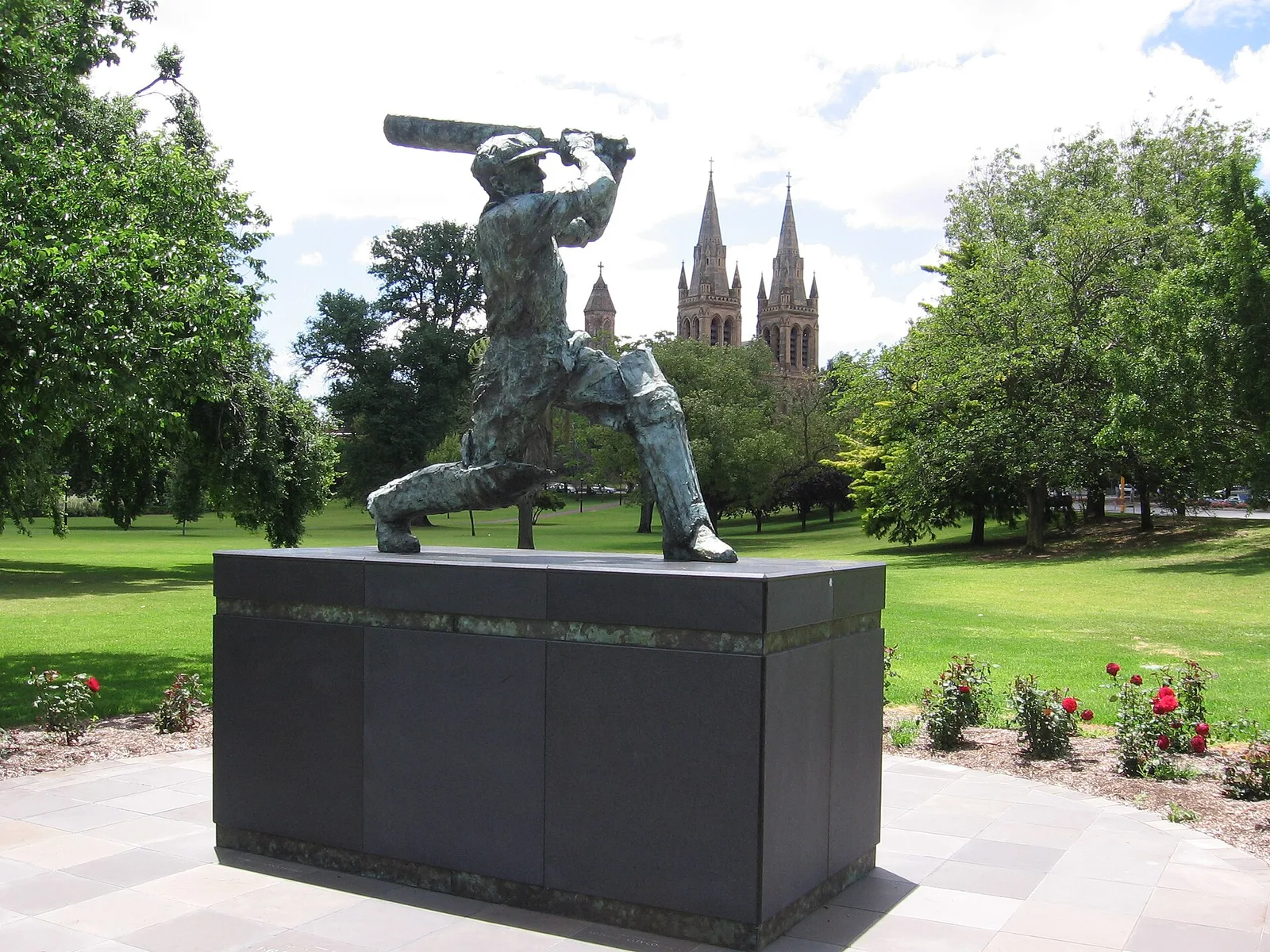
Adelaide is a sporting city. It hosts big events such as the Tour Down Under, the Adelaide 500 and the AFL’s Gather Round, and its oval, framed by the spires of St Peter’s Cathedral, is one of the best-known grounds in the country; see our Adelaide Oval guide and Tour Down Under guide.
It is also Sir Donald Bradman’s adopted city. Born in New South Wales in 1908, Bradman made his first-class debut at the Adelaide Oval, and in 1934 agreed to move to Adelaide, where he played for South Australia and finished his Test career with a batting average of 99.94. He and his wife lived in the same Kensington Park house for the rest of their lives, and he died there in February 2001. Honouring his wish, the Bradman Collection found a home at the Adelaide Oval in 2008, the centenary of his birth, and his statue stands outside the ground.
Getting there
Most of what Adelaide is famous for is close to the city centre. North Terrace, the cathedrals, the Park Lands, the Central Market and the Oval are all walkable, the tram runs to Glenelg, and the wine regions need a car or a tour. Our guide to getting around Adelaide and first-time visitor guide explain the rest.
Before you go
- Festival season fills up: book accommodation early for February and March; browse our accommodation listings.
- Check opening hours for churches, galleries and the Bradman Collection before you go.
- Plan wine days with a designated driver or a tour.
- Summer heat: read our heatwave safety guide.
For more, read our guides to museums, free things to do in the city and souvenirs to take home.
Frequently asked questions
Why is South Australia called the Festival State?
For its many arts and food festivals, led by Adelaide’s late-summer season of the Adelaide Festival, the Adelaide Fringe, WOMADelaide and Writers’ Week, known locally as Mad March.
Why is Adelaide called the City of Churches?
The name has been used since at least 1868. The colony promised freedom of religion, and many faiths built churches in the city, including Holy Trinity on North Terrace, the first church in South Australia.
Who designed Adelaide?
Colonel William Light, the colony’s first Surveyor-General, laid out the city centre and North Adelaide in a grid of wide streets and squares surrounded by the Park Lands. The Adelaide Park Lands and City Layout is on the National Heritage List.
Did Don Bradman live in Adelaide?
Yes. Bradman moved to Adelaide in 1934, played for South Australia and lived in Kensington Park until his death in 2001. The Bradman Collection has been at the Adelaide Oval since 2008.
Is Adelaide famous for wine?
Yes. South Australia crushes about half of Australia’s winegrapes, and famous regions such as the Barossa, McLaren Vale and the Clare Valley are within a day trip of the city.
Your next customer could start right here.
Introduce your business to people discovering Adelaide: locals, visitors and the businesses that serve them.
Explore placements and request a private quote
Sources
Where the facts come from
The 7 references this article was checked against.
- Adelaide (opens in a new tab)
Wikipedia · en.wikipedia.org
Founding, Light’s plan, Kaurna name, City of Churches, Holy Trinity Church, Mad March, sporting events.
- South Australia (opens in a new tab)
Wikipedia · en.wikipedia.org
Festival State nickname; City of Churches since at least 1868.
- Adelaide Festival (opens in a new tab)
Wikipedia · en.wikipedia.org
First festival held 12 to 26 March 1960.
- About Adelaide Fringe (opens in a new tab)
Adelaide Fringe · adelaidefringe.com.au
Open-access festival held over four weeks in February and March.
- Adelaide: Creative City of Music (opens in a new tab)
UNESCO · unesco.org
Member of the Creative Cities Network for music since 2015.
- Adelaide Park Lands (opens in a new tab)
Wikipedia · en.wikipedia.org
National Heritage listing announced 7 November 2008; Light’s design.
- Bradman Collection at the Adelaide Oval (opens in a new tab)
State Library of South Australia · slsa.sa.gov.au
The collection’s home at Adelaide Oval since 2008, the centenary of Bradman’s birth.
Comments
No comments yet. Be the first to join the conversation.
Leave a comment
Every comment is read by a moderator before it appears. Your email address is never published; it is used only to contact you about this comment.
More from Adelaide Sphere

Local guideCity guides
North Adelaide: a guide to O’Connell Street, Light’s Vision and the heritage streets
A guide to North Adelaide: O’Connell Street, the view from Light’s Vision, St Peter’s Cathedral, the heritage houses and Park Lands, Adelaide Oval nearby, and how to get there from the city.
By Adelaide Sphere

Local guideCity guides
Hindmarsh, Bowden and Brompton: a guide to Adelaide’s inner west
A local guide to Hindmarsh and its neighbours Bowden and Brompton: The Gov and its live music story, Coopers Stadium, the Plant 4 precinct, old pubs on Port Road, the River Torrens, and how to get there by free tram and train.
By Adelaide Sphere

Local guideCity guides
Burnside Adelaide guide: Burnside Village, the foothills and Waterfall Gully
A local guide to Burnside and the City of Burnside foothills: Burnside Village, Kensington Gardens, historic Beaumont and Glen Osmond, the falls at Waterfall Gully, foothills walks, and where to eat, shop and catch a film.
By Adelaide Sphere